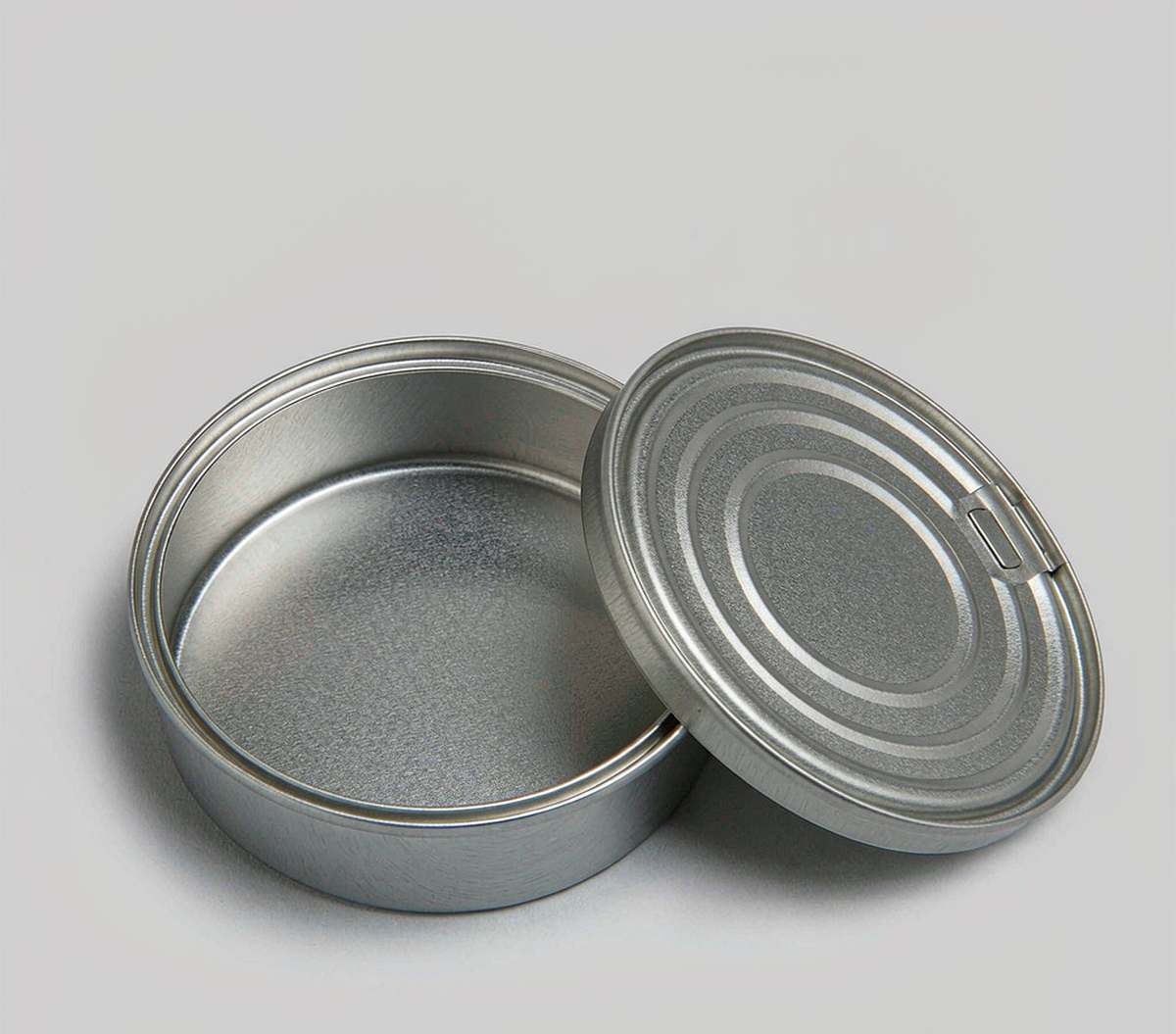
The EU Packaging and Packaging Waste Regulation (PPWR, Regulation (EU) 2025/40) has applied directly across the European Union since 12 August 2026. Unlike the old Packaging Directive, this is a regulation, not a directive. That means the core rules are identical in every member state from day one. But the practical burden is still country-specific, because each member state sets its own national EPR registration, reporting calendar, authorized PRO network, and penalty framework.
Sweden is the clearest early example. On 12 August 2026, SFS 2026:1462 amended the national packaging producer-responsibility ordinance (Förordning (2022:1274)) to align with the PPWR. The amendment removed any de-minimis volume threshold, confirmed mandatory PRO affiliation, and set the stage for penalties that can reach 4% of annual turnover. If you source food-grade tinplate tins or any metal packaging for the European market, Sweden is no longer a soft entry point.
Why Country-by-Country Still Matters Under a Regulation
At first glance, the PPWR looks harmonized. PFAS limits, heavy-metal caps, recyclability grades, Declaration of Conformity (DoC) requirements, and EPR obligations all come from the same Brussels text. But the regulation leaves member states to decide how to enforce those obligations and how to register producers. That creates real operational differences:
- EPR registration systems are national. Sweden uses Naturvårdsverket. Germany uses the Zentrale Stelle Verpackungsregister. Denmark uses the Danish EPA. The data fields, renewal dates, and fees differ.
- Authorized producer-responsibility organizations (PROs) differ. Sweden recognizes NPA and TMResponsibility. Other countries have their own lists.
- Reporting deadlines differ. Sweden's annual report is due 31 March for the preceding calendar year.
- Penalties differ. The PPWR caps penalties at the EU level, but member states can layer on additional sanctions.
For buyers of custom tin boxes, this means your supplier's compliance story cannot stop at "we meet the PPWR." You need to know which member states they are actually registered in, which PRO they belong to, and whether they have appointed an authorized representative if they are not established in the EU.
Sweden's Zero-Threshold Rule (SFS 2026:1462)
Sweden's amended ordinance is notable for what it does not contain: a small-volume exemption. Under many older packaging EPR schemes, very small producers could avoid registration if their turnover or tonnage fell below a threshold. Sweden's new rule has no de-minimis volume threshold. If an entity places packaging on the Swedish market, it must register and join an authorized PRO before doing so.
Who is in scope?
The amended producer definition captures any business that makes packaging available in Sweden, including:
- Packaging manufacturers and fillers
- Importers of packaged goods
- Service-packaging providers
- Retailers, marketplaces, and distance sellers shipping directly to Swedish consumers or businesses
- Private-label and logistics operators that meet the producer definition
For a non-EU supplier shipping food packaging or tin boxes into Sweden, the practical obligation usually shifts. If you sell through an importer or distributor established in Sweden, that distributor is typically the producer under EPR. If you sell directly, including online marketplace sales, PPWR Article 45 requires you to appoint an authorized representative established in the member state.
Registration and PRO affiliation
Before placing packaging on the Swedish market, a producer must:
- Register in the Naturvårdsverket producer register.
- Affiliate with an authorized PRO. Sweden currently recognizes NPA and TMResponsibility.
- Submit an annual report by 31 March for the previous calendar year.
There is no grace period. The amended ordinance entered into force on 12 August 2026, the same date the PPWR became binding.
The 4% Turnover Fine and What It Means
The PPWR sets an EU-level maximum penalty of 6% of global annual turnover or €200,000, whichever is higher, for the most serious infringements. Member states may set additional or lower penalties, and the Swedish framework allows fines up to 4% of annual turnover for PPWR violations under national enforcement.
That figure is not theoretical. A mid-sized brand turning over €10 million in the Swedish market could face a €400,000 national fine before the EU-level cap is even considered. The fine structure matters when you choose suppliers, because a compliance failure in the packaging layer can block your product from entering the market or trigger a recall.
Enforcement tone in the first months is expected to be warning-first for minor issues, but the legal authority to issue turnover-based fines is already in place. Authorities can also order non-compliant packaging to be withdrawn, destroyed, or relabeled at the producer's expense.
What Tin Can Buyers Should Add to Their Checklist
Sweden is a leading indicator. Other member states are publishing their own ordinances and penalty schedules through late 2026 and early 2027, with all national penalty frameworks due by 12 February 2027. Here is the supplier due-diligence list you should add to your RFQ workflow:
- DoC and technical file. Ask for a signed PPWR Declaration of Conformity per packaging type, plus the technical file showing how recyclability, heavy-metal, and PFAS requirements are met.
- EPR registration per target country. A supplier registered in Germany is not automatically registered in Sweden. Request the registration number for each market you sell into.
- Authorized representative. If your supplier is outside the EU, ask whether they have appointed an EU-based authorized representative for EPR purposes.
- PFAS test reports. PFAS is banned outright in food-contact packaging under the PPWR. Ask for lab reports against the three-tier limits: 25 ppb, 250 ppb, and 50 ppm.
- Coating compliance. Internal coatings must also pass food-contact standards. Our China GB 4806.10-2025 coating checklist covers the parallel questions to ask about BPA-NI coatings and aromatic primary amines.
The tin cans themselves are rarely the compliance problem. Tinplate is inherently recyclable, food-safe, and lightweight. The risk sits in the coatings, inks, seals, and labels. For a full overview of the regulation itself, see our PPWR compliance checklist.
Other Member States to Watch Now
Sweden is not an outlier; it is an early mover. Denmark's EPA has already stated that distance sellers must appoint an authorized representative from August 2026. Germany's VerpackDG now sits alongside the PPWR and retains a broad producer definition. Poland has already brought heavy-metal limits into national enforcement. The UK, meanwhile, has paused its own mandatory recycling label through Defra, waiting for the EU's 2028 unified icon. If you sell into both the EU and UK, you now have two separate label timelines to manage.
Next Steps: Build Compliance Into the Design Stage
Waiting until shipment to think about PPWR documentation is expensive. The most efficient way to manage EPR, DoC, and coating risks is to build them into the design and tooling stage. When you plan your custom tin packaging workflow, ask your manufacturer for the material specs, coating declarations, and recyclability data up front. That information becomes the foundation of the technical file your importer will need in Sweden and across the EU.
If you need food-grade tinplate samples or a compliance-ready packaging design for the Swedish market, contact us for a quote and we will map the right specification to your target market from the start.
Need Help Choosing the Right Tin?
Tell us what you plan to pack and share an article or model you found useful. We can help confirm size, closure and sample options.