Why Tin Cans Keep Selling After They're Empty: The Second-Life Storage Loop
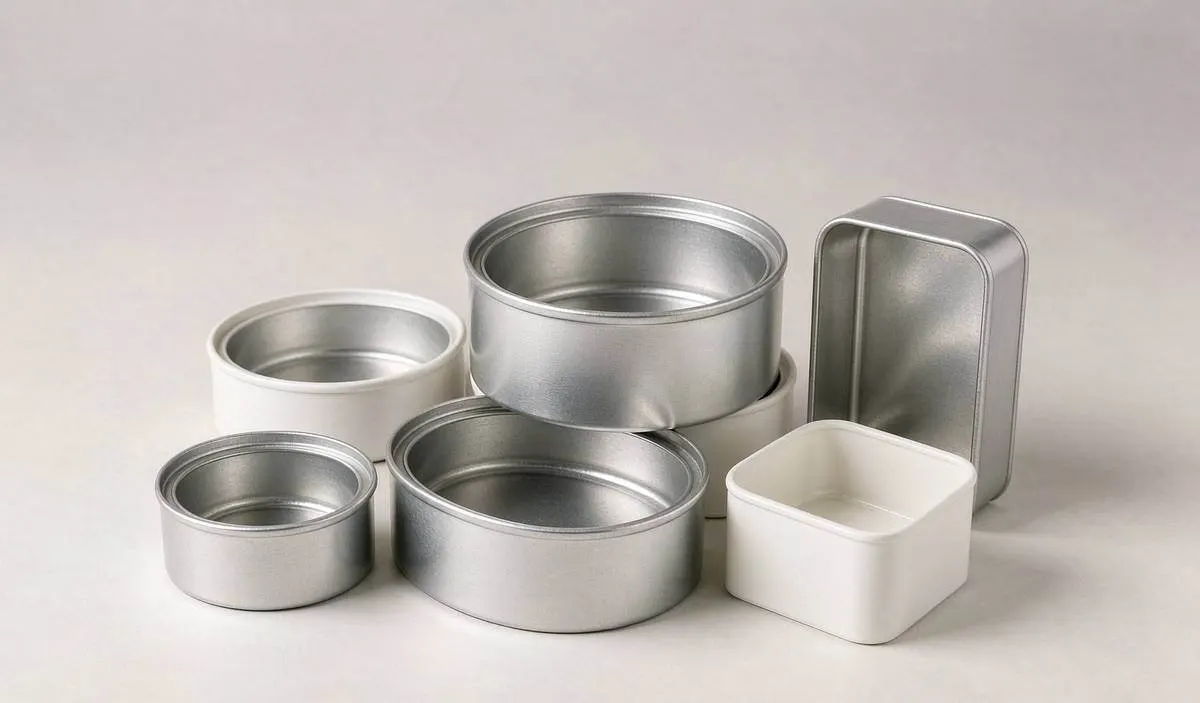
Most packaging has a lifespan of seconds. A carton is opened, the product is removed, and the box is in the bin before the invoice is paid. A plastic pouch survives a little longer, then it, too, is gone. Tinplate cans break that pattern. Walk into almost any kitchen, workshop or retail back-room and you will find empty tins still in use — holding screws, tea, buttons, cables, spices. They were "packaging" once; now they are furniture. For a B2B tin-can manufacturer, that second life is not a footnote. It is one of the strongest, least-discussed reasons brands keep specifying tinplate over cheaper formats.
The retention reality: what actually happens to a tin
Across tea, coffee, spice, gift and cosmetic-sample categories, retention rates of 60-70% are routinely reported by brands that run "what did you do with the tin" follow-ups. A substantial share of buyers never throw the container away. They keep it because the object is rigid, stackable, food-safe and heavy enough to feel permanent. None of those properties describe a paper carton or a foil pouch.
Glass jars are also kept, which is why they are the closest competitor on this axis. But glass breaks, costs more to freight, and carries a heavier carbon and ESG footprint per unit of protection. Plastic and laminate films are discarded almost immediately. So among keepable formats, tinplate wins on the combination of durability, freight cost and recyclability — and it keeps winning for years.
From a discard moment to a decade of impressions
The economic case is simpler than most brand teams assume. A tin that stays in a customer's home or on a retail shelf is seen every day. At a conservative estimate of 300-1,000 views per year per household, a kept tin delivers 1,500-5,000 brand impressions over a three-to-ten-year life — for a one-time packaging cost and zero media spend.
| Channel | Cost per 1,000 impressions | Effective lifespan | Residual exposure |
|---|---|---|---|
| Kept tin (one-time packaging cost) | $0 after purchase | 3-10 years | Daily in-home visibility |
| Paid social CPM | $6-12 | Seconds | Ephemeral, stoppable |
| Printed paper box | Trashed at open | Minutes | None |
| Plastic pouch | Discarded after use | Days | None |
This is why a slightly more expensive tin often out-advertises a cheaper box many times over. The package becomes a permanent, unpaid billboard — exactly the dynamic brands act on when they move to metal packaging for durability rather than the cheapest format.
Design-for-keep specs that convert a package into an object
Not every tin gets kept. The ones that survive are specified deliberately. Four decisions at the tooling stage separate a "keeper" from a "recycle-now" can:
- Gauge for reuse, not just transit. Standard 0.20-0.23mm tinplate is fine for single-pass shipping. Keeper tins run 0.25-0.28mm so the walls survive years of opening, stacking and being dropped. This runs directly against the downgauging trend — and that is the point: a tin too thin to keep defeats the second-life loop.
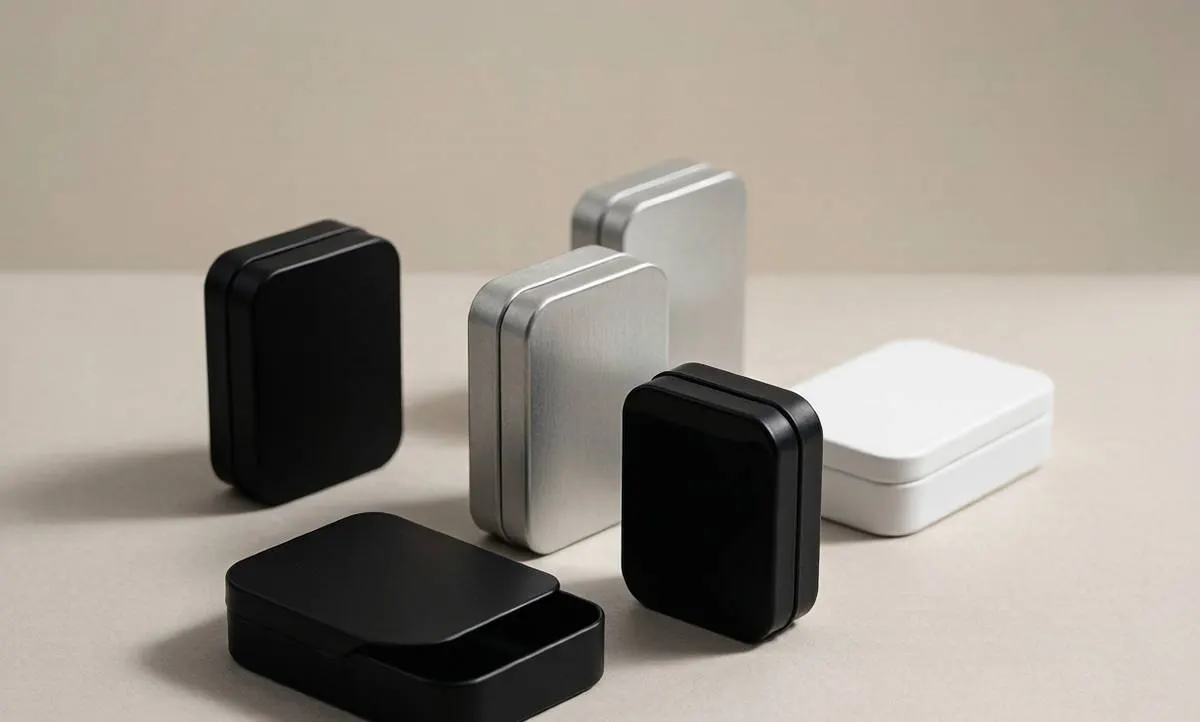
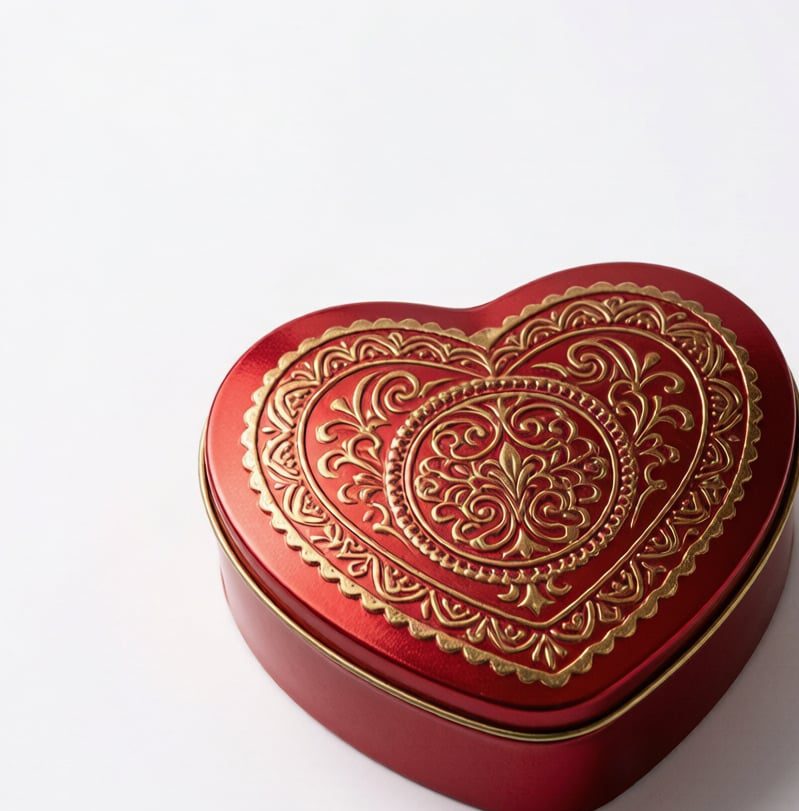
- Tactile finish. Embossed or debossed logos, soft-touch matte lacquer and precise CMYK print turn a container into a small collectible. Buyers keep what feels considered; they bin what feels disposable.
- A real reseal. A silicone or EVA gasket under a screw or slip lid means the empty tin still closes airtight. That is what lets it graduate from "packaging" to "tea caddy" or "spice jar" on the customer's shelf.
- Food-safe interior, any product. A clean, compliant lacquer (BPA-NI, food-grade) means the tin is safe to repurpose for food storage long after the original product is gone — the single feature that lets a cosmetic or gift tin live a second life in the kitchen.
Which categories gain the most
The keeper loop pays off hardest where the product is consumed slowly or given as a gift:
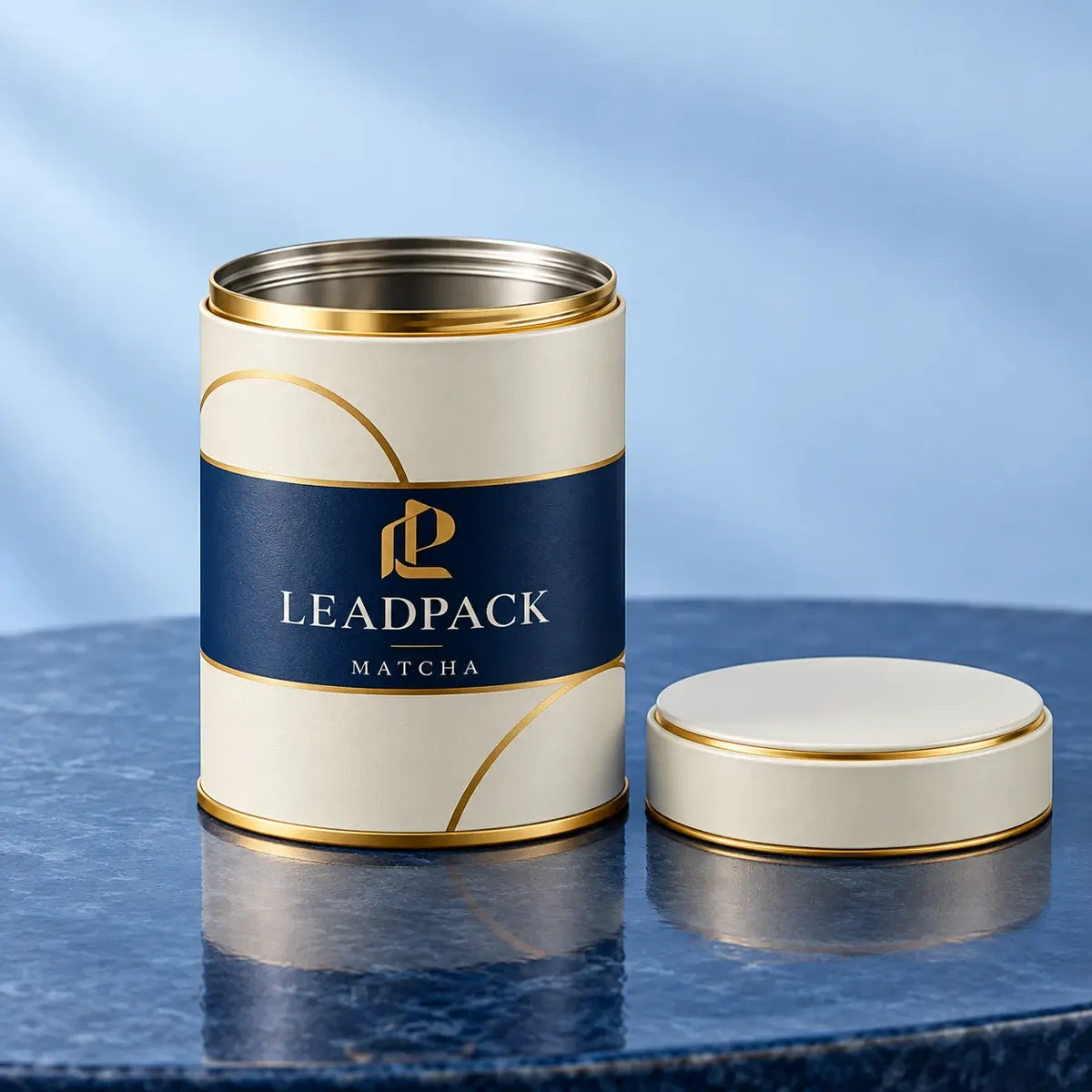
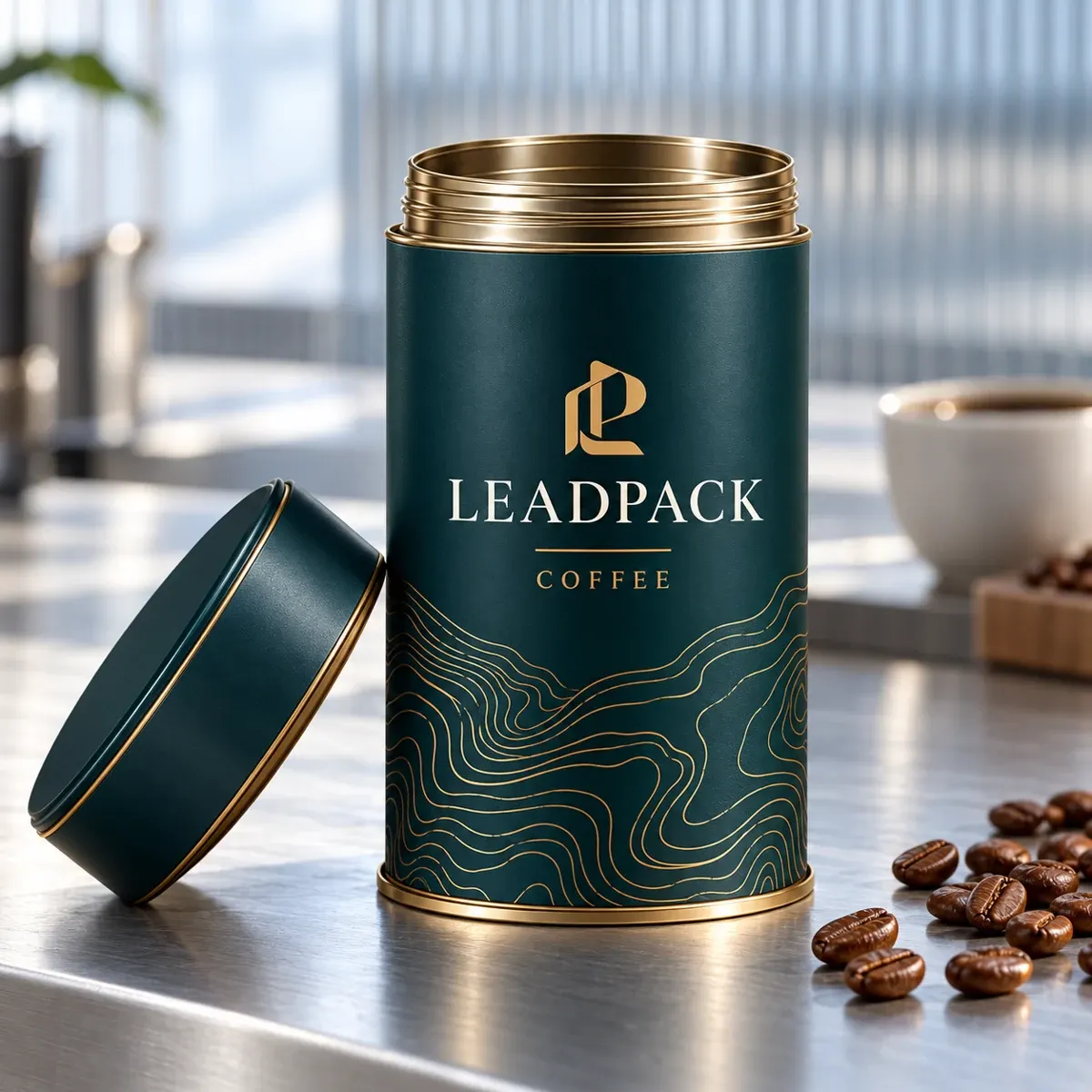
- Tea and coffee. High repurchase, daily ritual, and a container that fits the ritual. Loose-leaf and bean buyers are the most consistent keepers.
- Spices and baking. A small airtight tin outlasts the spice it shipped with and becomes the pantry default.
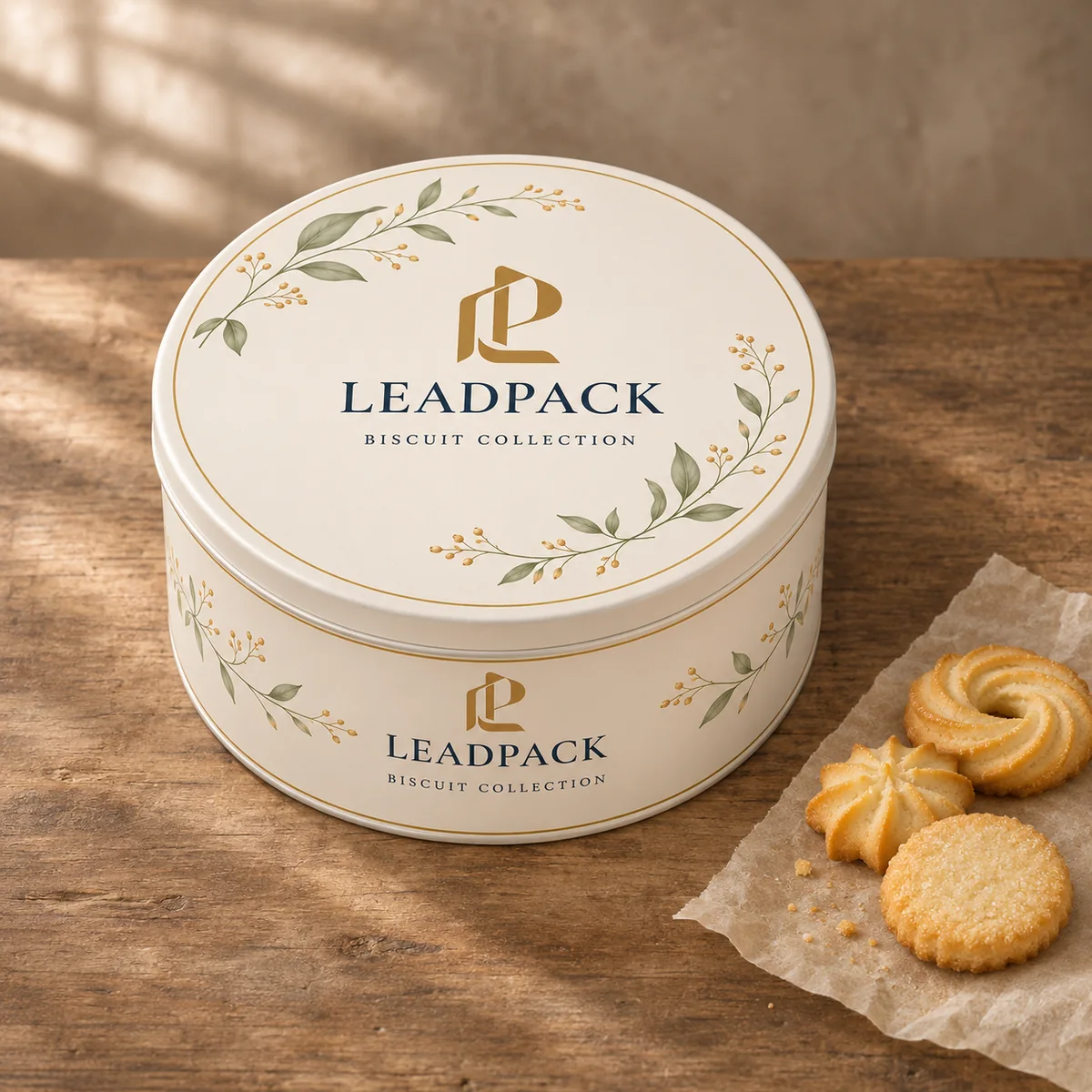
- Gift sets. An ornate gift tin is kept as storage long after the contents are enjoyed — which is why gift-packaging buyers treat the tin as part of the product, not just the wrap.
- Cosmetic samples and solids. Balms, solids and sample tins survive as travel and drawer organisers.
- Pet treats. A screw-lid tin becomes the treat jar by the sofa.
Procurement math for a keeper tin
Specifying for a second life costs a little more up front and returns it many times over. For a typical 250g screw-lid tea or coffee tin at 0.25mm with one embossed face:
| Quantity | Unit price (USD) | Keep-grade upcharge | Lead time |
|---|---|---|---|
| 3,000 (existing mould) | $0.95 | +$0.12 vs standard 0.23mm | 30-35 days |
| 5,000 | $0.78 | +$0.10 | 30-35 days |
| 10,000 | $0.62 | +$0.08 | 30-35 days |
| 30,000 | $0.49 | +$0.06 | 35-40 days |
| New mould (any qty) | tooling $800-2,500 | +15-20 days tooling | 45-55 days total |
Minimum order quantities for custom keeper tins start around 3,000 pieces, the same as a standard run; the only real delta is the heavier gauge and the emboss, which is pennies per unit at volume. For mono-material resealable tins the reseal feature doubles as both a freshness closure and the second-life seal.
The compliance bonus: reuse beats recycling
Regulators are pushing reuse and refill precisely because keeping a package in service beats melting it down. The EU PPWR's reuse and refill targets, arriving through 2030, reward formats that stay in circulation. A tin that is still holding someone's screws in 2031 has avoided the need for a second package entirely — and because tinplate is a single material with no recycled-content mandate, it clears the paperwork that plastic now faces, including the recycled-PET border declaration rules landing in November 2026.
Measuring the loop and the ESG dividend
Brands that track this directly see the loop compound. A roaster or tea house that asks customers what happened to the tin typically finds the container reappearing in social posts, gift photos and pantry tours for years. Each appearance is an earned impression the brand never paid for, and the tin's durability is what makes the reuse possible at all.
From a logistics and ESG angle, the kept tin is also the cheapest packaging unit to operate. It ships once, then removes the need for a second storage or organising product. Where plastic and paper force a repurchase of storage boxes, the tin is the box — and because it is mono-material steel, its eventual recycling carries a grade-A rate that composite plastics cannot match under the same PPWR recyclability grading.
A practical RFQ checklist for a keeper tin
- Specify gauge 0.25-0.28mm and ask the mill for a recyclability grade A declaration.
- Require a food-safe BPA-NI interior lacquer even for non-food products, so the tin can repurpose.
- Add one embossed or debossed brand element — not just print.
- Confirm the lid seals (gasket) and is airtight when empty.
- Request stackable dimensions and a scratch-protection plan for transit.
- Ask for existing-mould options first to avoid tooling cost on a pilot run.
A keeper tin is not a premium indulgence; it is a media buy that never stops. For brands competing on shelf and on budget, specifying a container designed to be kept is one of the few packaging decisions that pays twice — once at sale, and again every day it stays in the home. Start a custom tin project with your dimensions and we will spec a keeper-grade build.
Need Help Choosing the Right Tin?
Tell us what you plan to pack and share an article or model you found useful. We can help confirm size, closure and sample options.