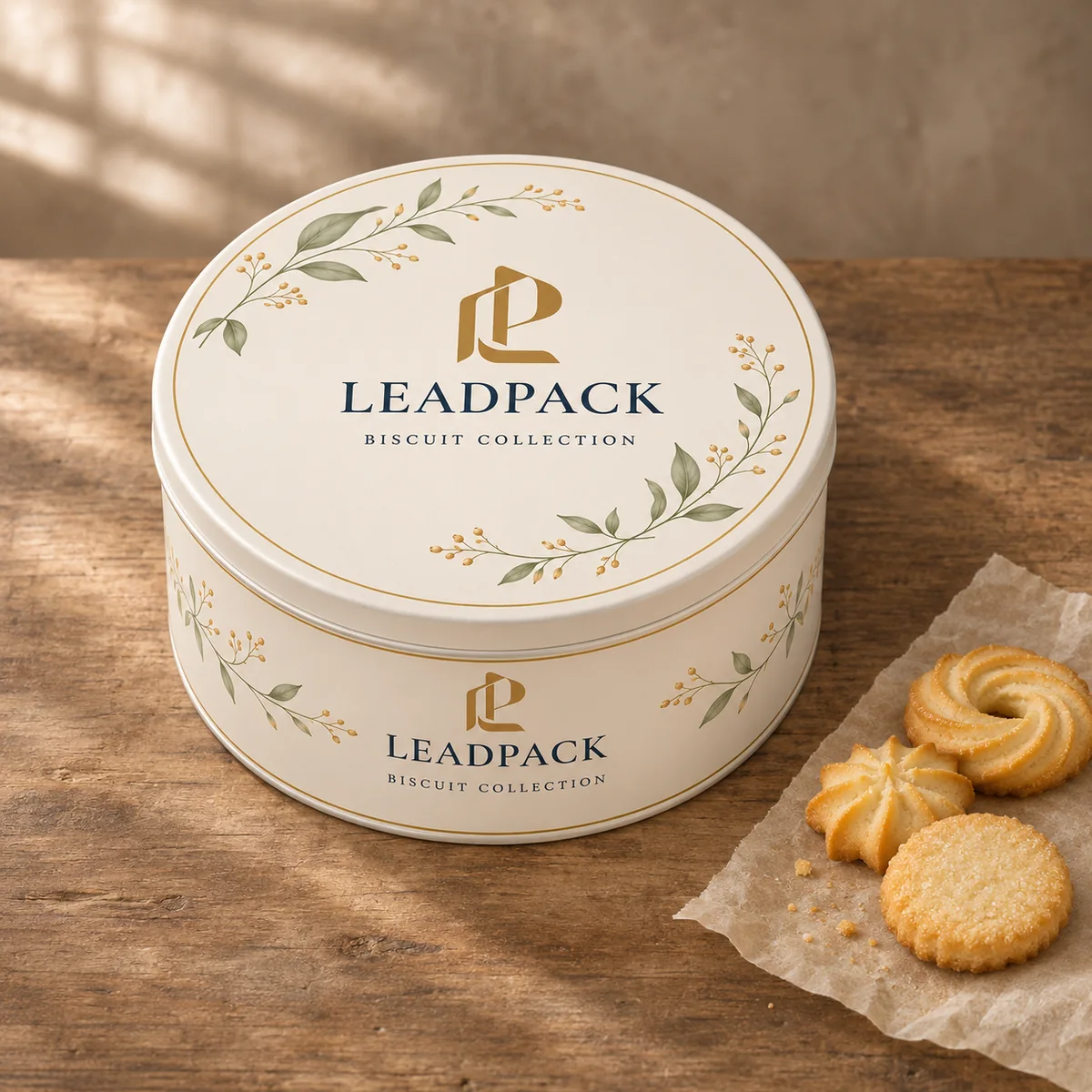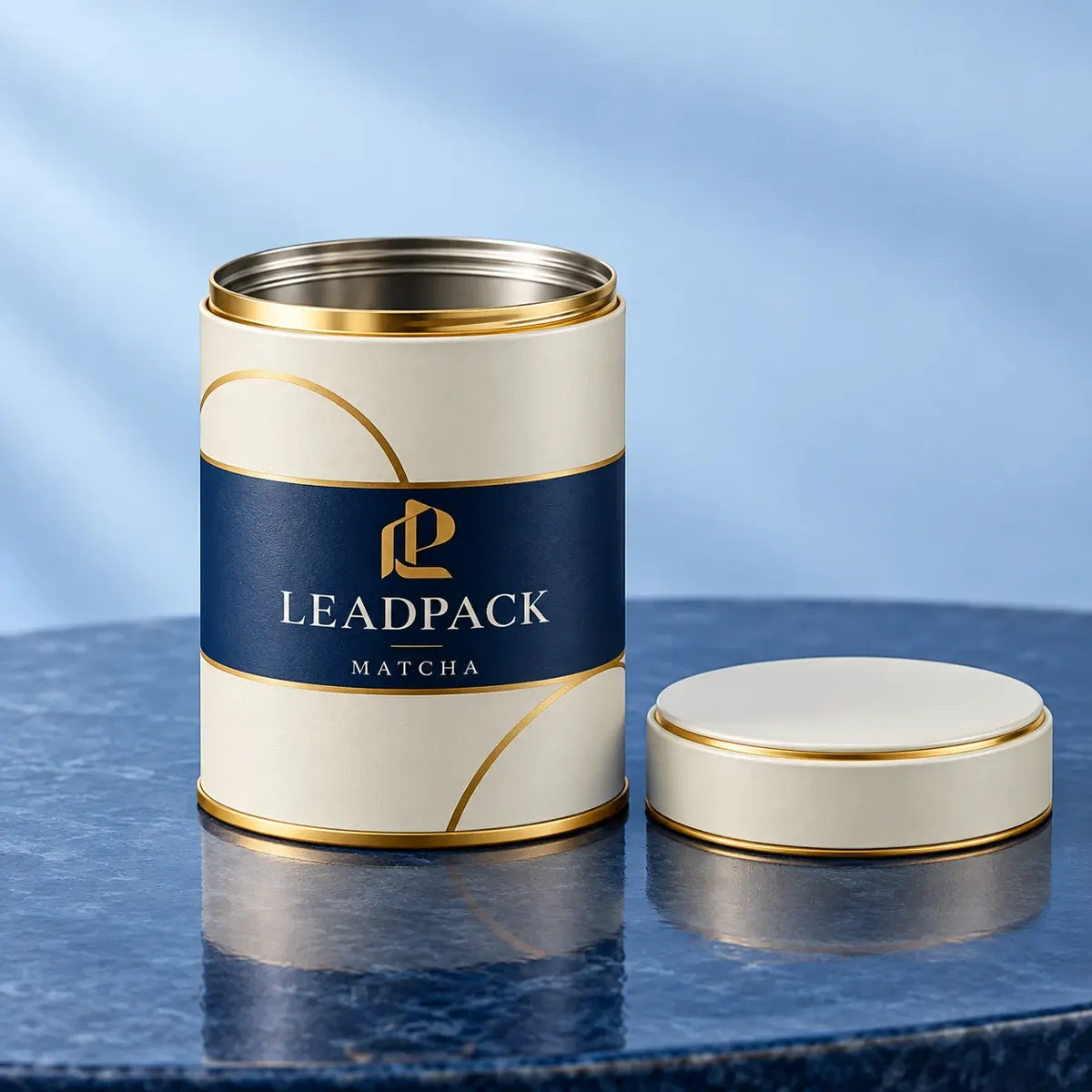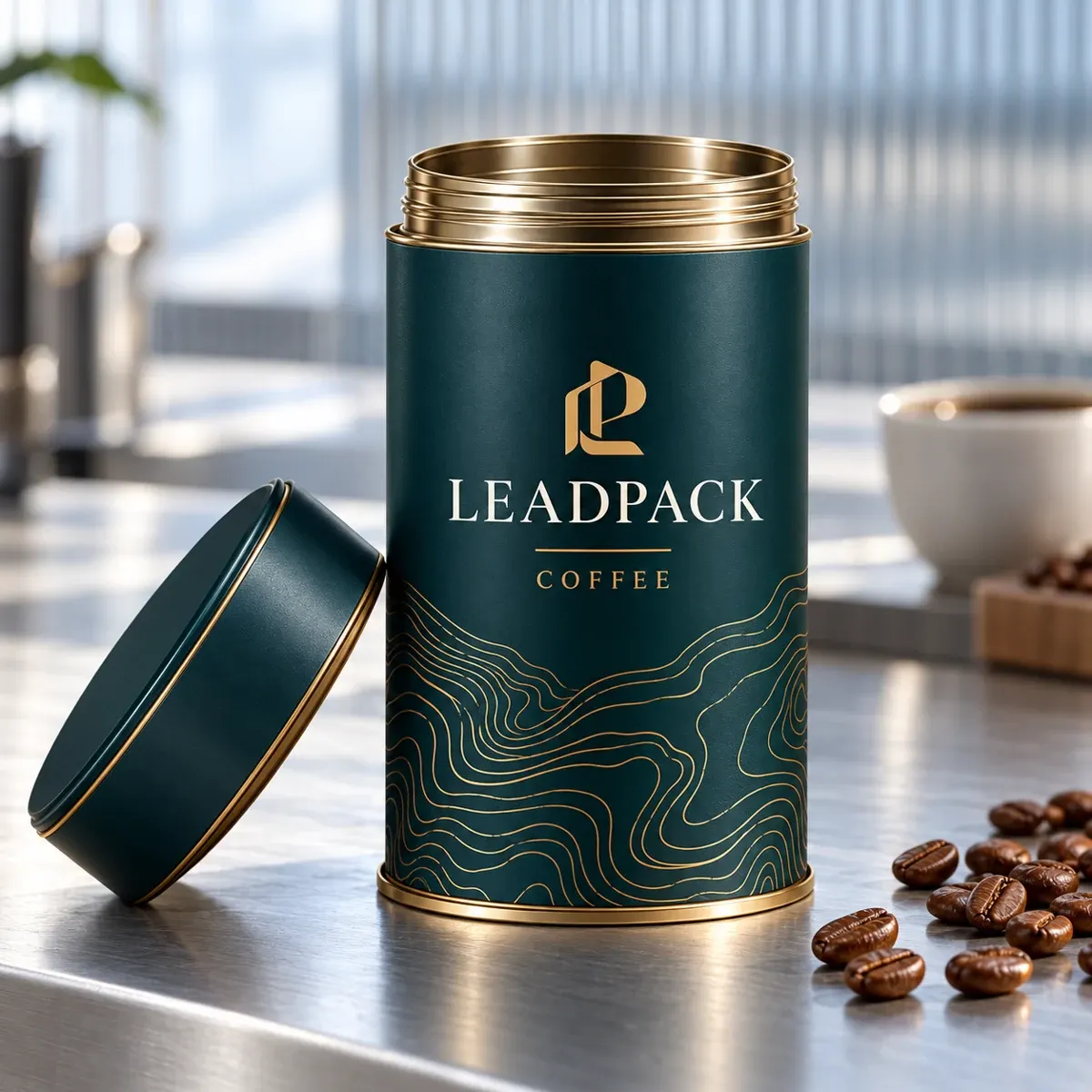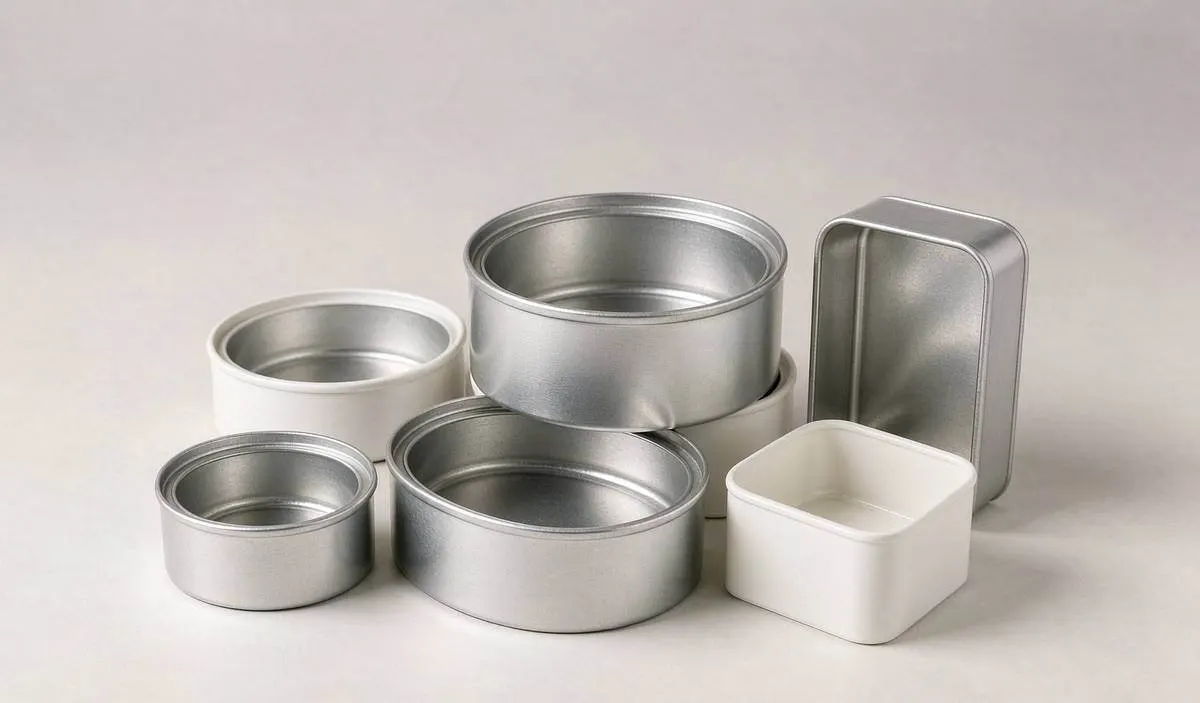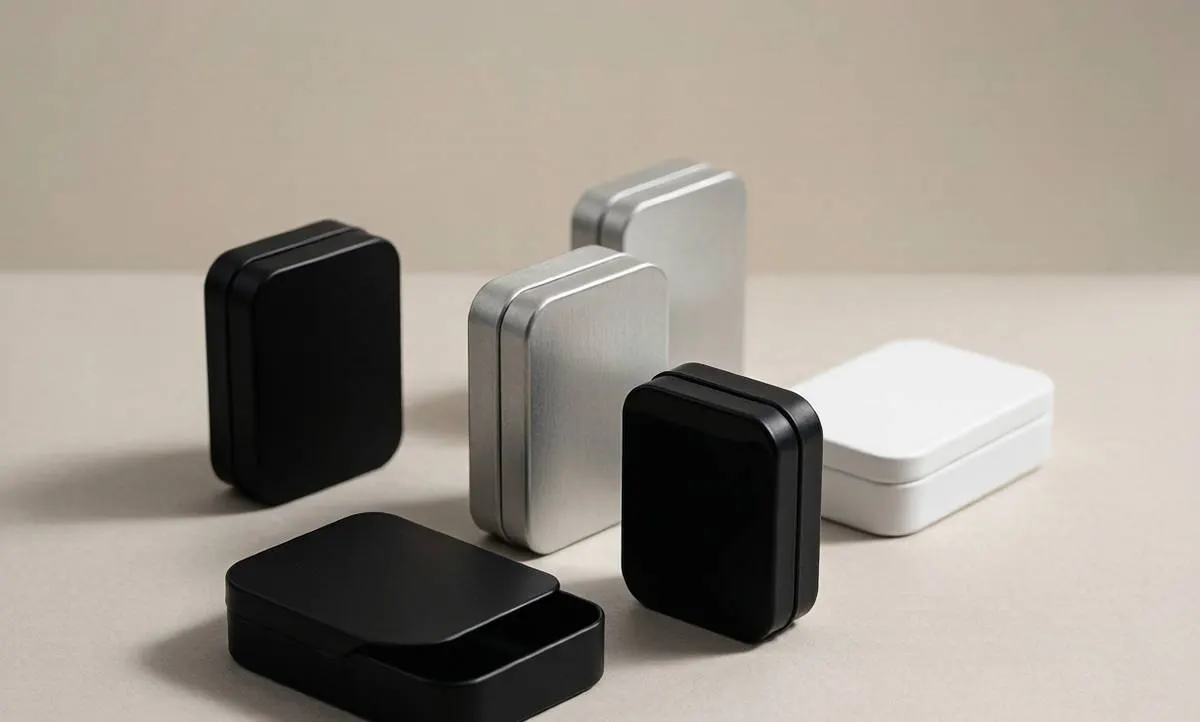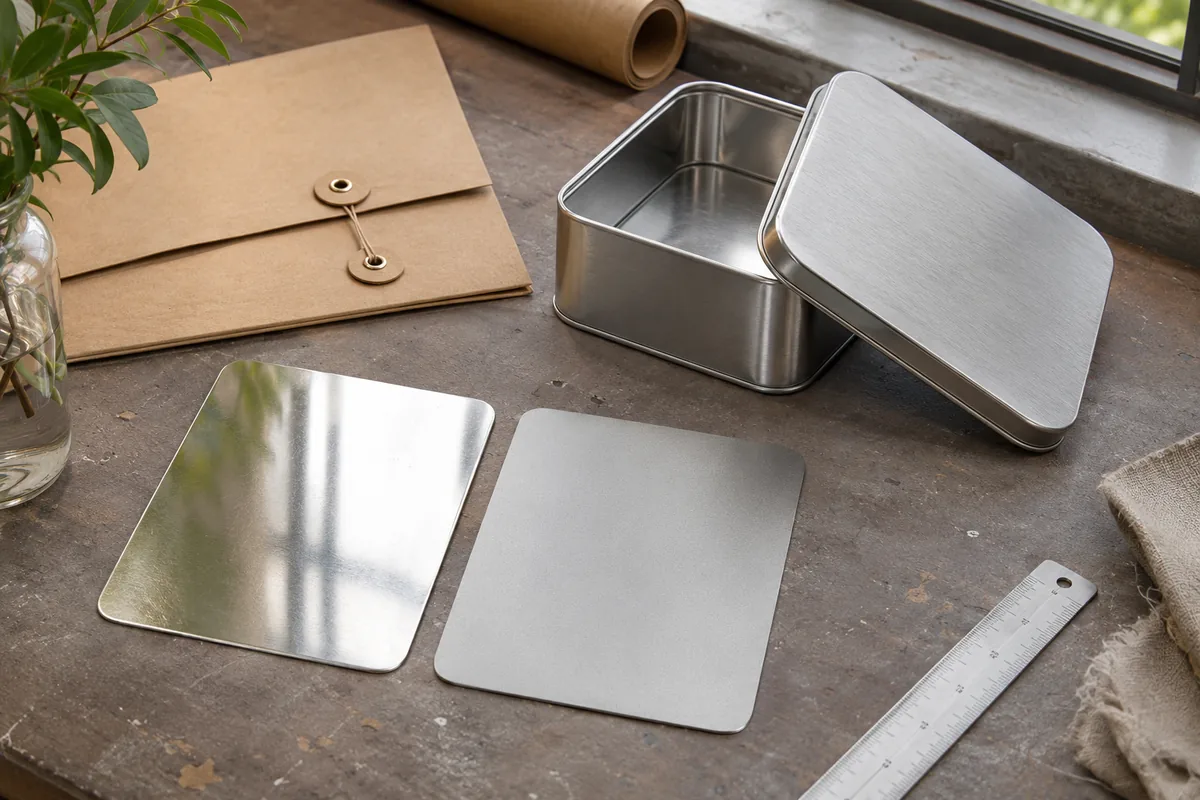
For a custom tin order, request a dated quote that separates the unit price, artwork, tooling, samples and freight. The figures discussed below are scenario inputs. Confirm current supplier terms before locking a budget.
The 2027 Tinplate Cost Picture
The steel behind your tin can is getting more expensive. Through the second half of 2026, global tinplate coil prices held a wide band of roughly $1,120 to $2,070 per metric ton, with the Q2 2026 global average landing near $1,730/MT — up about 3% from the prior quarter after a sharper 10% jump in Q1. Every major forecast now points the same direction for 2027: another 5–8% of upward pressure as tin-metal and steel-substrate feedstocks stay firm and environmental compliance costs climb. This is not the tin-metal spike that dominated 2025 headlines. It is the coil — the substrate your can is actually priced on — and it changes how you should budget custom tin can orders for the year ahead.
The timing matters as much as the number. Lunar New Year 2027 falls on 6 February, earlier than 2026, which compresses the first-quarter production window. Buyers who want custom tins in stock for spring and early-summer programs should lock both the price and the production slot before the late-December freeze, because the mills that reopen in February will be quoting the higher coil basis. Treating the 2027 budget as a November–December decision rather than a February surprise is the single biggest lever most teams miss.
Why the Can Price Tracks the Coil, Not Just the Tin
Tinplate is a low-carbon steel substrate carrying a thin tin coating measured in grams per square meter. The steel is the mass; the tin is a surface finish. Can pricing is therefore driven by the coil, not by the LME tin quote that grabs the news. The practical takeaway is different from the “don’t panic, your can is priced on steel” message buyers heard in 2025: that was true, but the steel substrate itself is now on a rising curve, so the protection it offered is shrinking.
For a buyer, the number that matters is the delivered coil cost folded into your per-unit quote. When that coil rises 5–8% in a year, a fixed-price contract signed early is worth real margin. The table below shows where reference prices sat across regions in the second half of 2026.
| Region | Tinplate reference (H2 2026) | What it means for buyers |
|---|---|---|
| China | $1,200–1,420 / MT | Largest capacity base; most affordable FOB source for custom tins. |
| Global average | ~$1,730 / MT (Q2) | After +10% in Q1 and +3% in Q2; 2027 outlook +5–8%/yr. |
| United States | ~$1,845 / MT | Steady aerosol and food-can demand supports firm pricing. |
| Germany | ~$2,010 / MT | Highest-cost region; strong food & beverage can demand. |
Two Cost Pressures Stack in 2027
The coil is only half the story. Buyers shipping into the EU now carry a second, separate line item: carbon. The EU CBAM provisional price for Q4 2026 sat around €86 per tonne of CO₂e, applied to the embedded steel in your cans. That surcharge stacks on top of the coil move rather than replacing it. Add China’s export VAT rebate cut from 13% to 9%, which lifts FOB prices by roughly $30–45 per tonne as mills pass through the cost, and the 2027 buyer faces a genuine double squeeze.
| 2027 cost driver | Effect on your program | Buyer response |
|---|---|---|
| Tinplate coil | +5–8% / year | Lock a fixed quarterly price now. |
| Tin metal (Q4 2026: $50–56k/t) | Already inside the coil; no separate can surcharge | No action beyond coil hedge. |
| EU CBAM (~€86 / tCO₂e) | Per-tonne carbon cost on EU-bound cans | Factor into EU quotes; request carbon data from supplier. |
| China VAT rebate 13%→9% | +$30–45 / MT FOB | Negotiate into a multi-quarter frame agreement. |
| PPWR / food-contact documentation | Compliance cost, not material cost | Budget as a fixed per-SKU fee, not a variable. |
A Budget Playbook for Custom Tin Can Buyers
The forecast only hurts if you let it. Five moves turn a rising market into a managed line item:
- Lock Q1 fixed pricing. Mills chase order books right after the Lunar New Year shutdown; January through March is historically the most favorable buying window. Fix price for Q2–Q3 delivery before the climb.
- Carry 45–60 days of safety stock. Carrying cost runs about 1.5–2.5% per month — cheap insurance against a rising market and the CNY production gap.
- Split supply 70–80% primary / 20–30% backup. A backup at a 20–35% premium buys resilience without overpaying on volume.
- Fix quarterly with a +5–8% review cap. The cap protects you if the forecast overshoots while still letting the supplier plan.
- Optimize the specification. Review coating weight, surface finish, gauge and coil-versus-sheet format annually; 3–8% of savings are available with no loss of product quality.
TFS vs Tinplate — A Trade-off, Not a Replacement
Tin-free steel (TFS / ECCS) saves 8–12% on material cost at $780–950 per tonne versus $850–1,100 for tinplate, but the limits are structural. TFS cannot be welded, so it is unsuitable for three-piece can bodies; it must be 100% lacquered because its corrosion resistance is weaker; and it sits at recyclability Grade B (above 80%) versus tinplate’s Grade A (above 95%), which can mean higher EPR fees from 2030. The right use is can ends, where weldability is irrelevant. For can bodies and the large majority of custom tins, tinplate remains the recommendation — a point worth raising before a supplier proposes TFS as a blanket cost cut. See how our classic food tin is specified for mono-material recycling.
| Material | Material cost | Weldable? | Recyclability grade | When to use |
|---|---|---|---|---|
| Tinplate (recommended) | $850–1,100 / t | Yes (3-piece bodies) | A >95% | Default for bodies and most custom tins. |
| TFS / ECCS | $780–950 / t (−8–12%) | No | B >80% | Can ends only. |
| Aluminum | Premium | Yes | High | Only if the brand specifically requires it. |
| Glass | +15–20% landed cost | n/a | Recyclable but heavy / breakable | Not a tin can substitute. |
Concrete Procurement Numbers
Budgeting is easier with a baseline. For standard custom tin can programs in 2027:
- MOQ: 1,000–5,000 units for stock sizes; 3,000+ typical for custom print; 200–500 achievable through existing molds and agile short runs.
- Unit price: roughly $0.20–1.50 depending on gauge, diameter, number of print colors and finish (matte, emboss, foil).
- Lead time: 21–28 days for 10k–100k custom units; add 5–7 days in the Q4 peak; an existing mold skips the 15–20 day tooling window entirely.
- Tiered discount: volume breaks commonly at 5k / 20k / 50k+ units.
Pair these numbers with the food tin industry guide when sizing a program, and revisit the Q4 CBAM requote playbook so the carbon line is already in your model.
Why Tin Cans Stay the Cost-Smart Default
Even as input costs rise, tinplate keeps its total-cost edge. Recycling one ton of tin cans saves 1.5 tonnes of iron ore, 0.5 tonnes of coal, and 75% of the energy versus virgin steel; global recovery runs near 92%. Because tinplate is a mono-material, it carries no recycled-content mandate under PPWR Article 7 — that rule is plastics-only — so you avoid the PCR documentation burden that hits multi-material packs. At 10,000+ units a tin can already lands 15–20% cheaper than a glass jar and about 10% cheaper than food-grade HDPE, before counting the freight savings from lighter weight. The second-life storage loop argument only strengthens the case: the can keeps working for the brand long after the product is gone.
Plan Your 2027 Tin Can Budget Now
The window is open. Mills are filling 2027 order books, and locking a fixed quarterly price before the 5–8% climb protects margin on every can you ship next year. Start with a specification review and a safety-stock number, confirm whether existing tooling fits your size, then request a fixed-price quote. Our team can walk through customization and fixed-price tooling options so the rising coil cost becomes a planned line item instead of a surprise.
Need Help Choosing the Right Tin?
Tell us what you plan to pack and share an article or model you found useful. We can help confirm size, closure and sample options.