For two decades, sourcing a custom tin can meant accepting a slow, rigid bargain: commit to thousands of units, wait two weeks for a designer to turn your brief into artwork, then wait again for tooling and proofing. In 2026, that bargain is breaking. At the Shenzhen Gift & Packaging Fair held on October 20, 2026, three signals converged on the tin can supply chain — AI-assisted design, digital short-run printing, and truly flexible MOQs — that together compress a 15-day design cycle into roughly one hour and bring one-piece ordering within reach for brands of every size.
This article breaks down what changed, why it matters for B2B buyers, and how to specify your next tin can run to capture the speed without sacrificing compliance or shelf appeal.
The Old Math: Why Tin Can Sourcing Took 15 Days
The traditional path from brief to production-ready tin can looked like this. A buyer sent a PDF brief to a supplier. The supplier's art team interpreted the brand guidelines, drafted dielines, and produced a first proof — usually three to five business days. Revisions added another week. Only after artwork froze did tooling, sampling, and mass production begin. For a standard order, the design and approval phase alone consumed 10 to 15 days before a single can was stamped.
That latency was not laziness. It reflected real constraints: analog dieline work, manual color matching, and production lines engineered for long, uninterrupted runs. Low minimum order quantities were economically impossible because setup cost had to be amortized across volume. The tin can, for all its durability and recyclability, was locked into a batch economy.
Traditional vs AI-Accelerated Tin Can Sourcing
| Stage | Traditional process | AI-accelerated process (2026) |
|---|---|---|
| Brief intake | Email + PDF, manual interpretation | Structured brief + AI dieline generator |
| Artwork draft | 3–5 days, designer dependent | Under 1 hour, AI-rendered options |
| Revision loop | 1–2 weeks, email ping-pong | Real-time, in-browser collaboration |
| Tooling & proof | 7–10 days | 3–5 days (digital print skips plates) |
| Minimum order | 3,000–5,000 pcs typical | One-piece viable via digital print |
| Total design cycle | 15+ days | Under 24 hours to approved artwork |
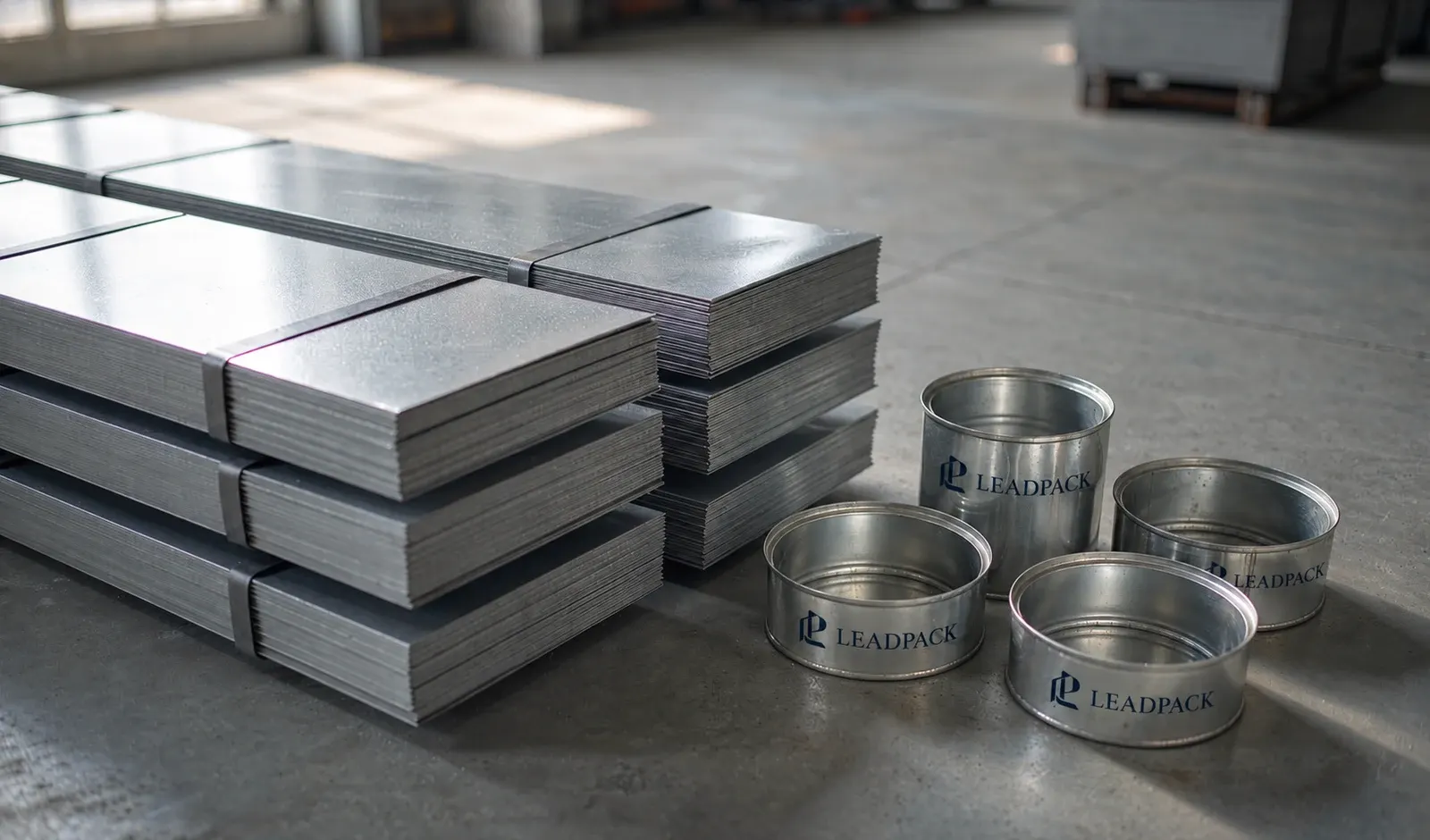
The table makes the shift concrete. The single biggest lever is decoupling artwork from physical tooling. Where lithographic tin printing once required custom plates for every design, digital and hybrid lines now accept artwork files directly, so a buyer can approve a design and order a single sample can the same day.
How AI Design Cuts the 15-Day Cycle to Under an Hour
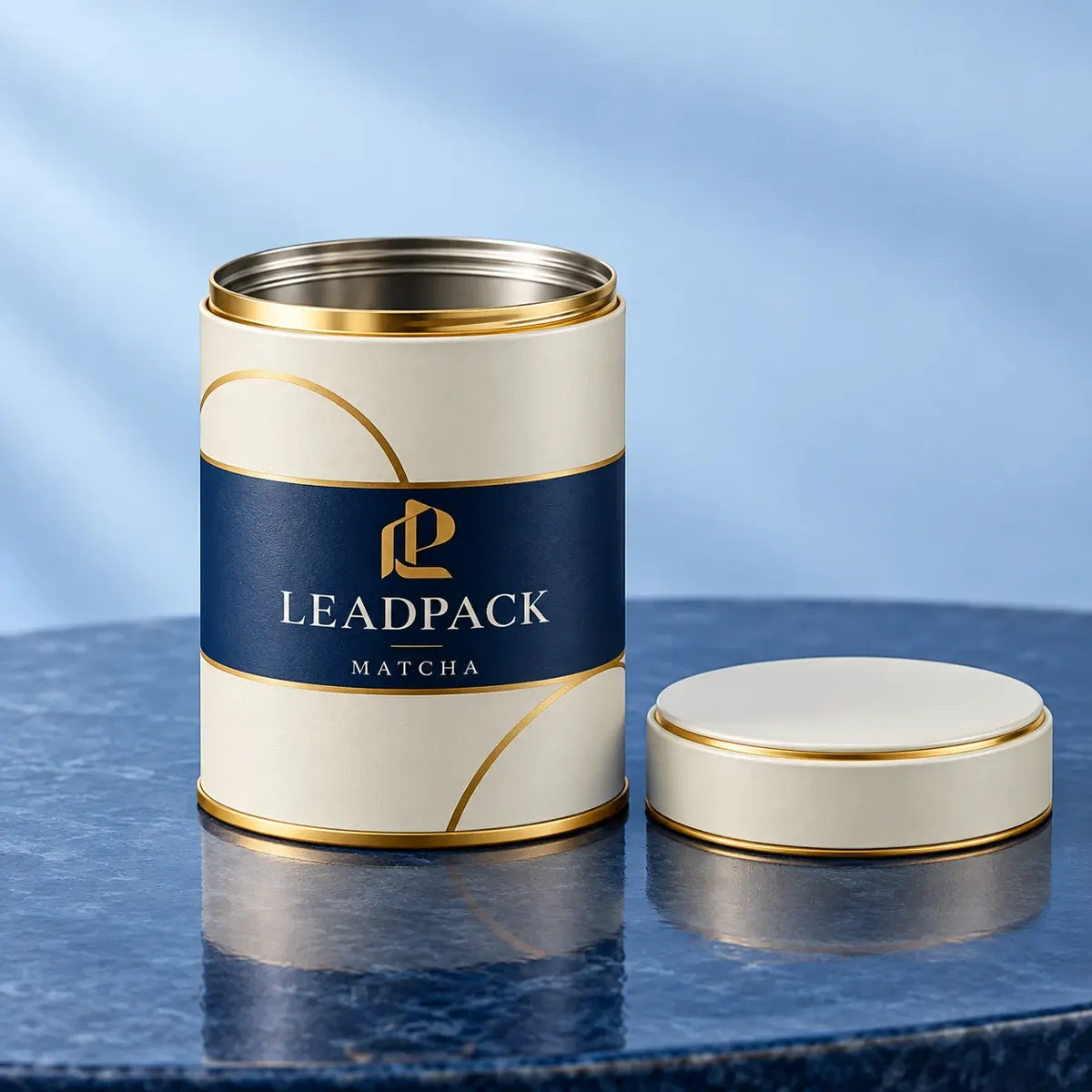
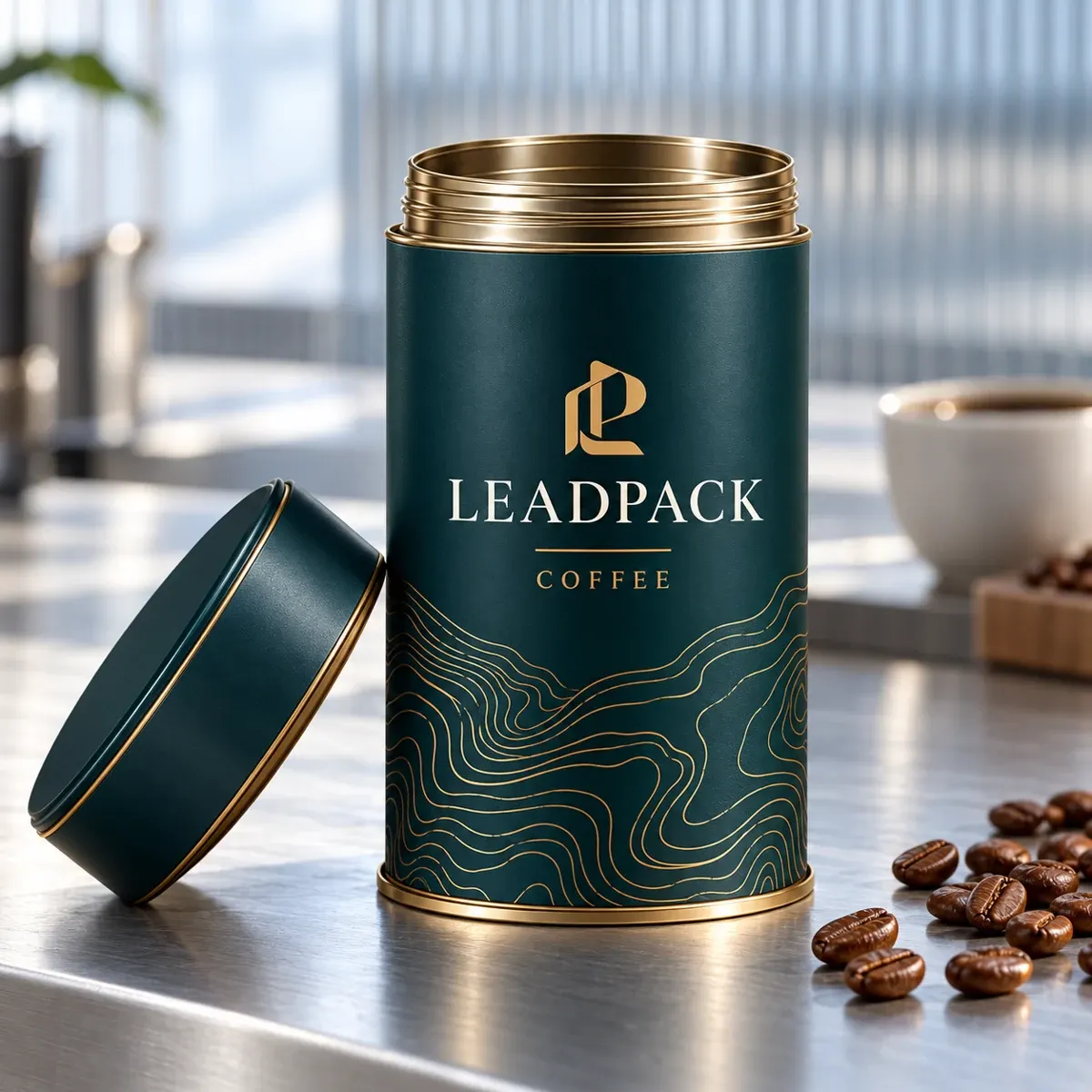
AI-assisted design tools trained on packaging conventions now generate dielines, suggest bleed and safe zones, and render photorealistic tin can mockups from a brand's logo and palette. At the October fair, several Chinese metal-packaging exhibitors demonstrated design-to-mockup workflows completing in minutes rather than days. For a buyer, that means:
- Faster exploration. Generate five tin can concepts in the time it used to take to brief one designer.
- Fewer miscommunications. Dielines and 3D previews are machine-checked against the supplier's actual tool library, reducing the "that's not what I pictured" revision spiral.
- Lower upfront cost. Many suppliers now fold AI design into the quote instead of billing it as a separate service.
- Better handoff. The AI output is already a production-ready file, not a sketch the factory must rebuild.
Crucially, AI does not replace the compliance and structural review that a tin can still requires for food, cosmetic, or pharmaceutical contact. It accelerates the creative and approval layers while engineering sign-off remains a human gate. Treat the speed as a way to reach a better first proof faster, not as a reason to skip the checks that protect your brand.
One-Piece MOQs: Flexible Manufacturing Arrives for Tin Cans
The second signal from the fair was the quiet normalization of low and even single-unit MOQs on tin cans. Two forces drive it. First, digital printing removes the plate cost that forced high volumes. Second, flexible manufacturing cells — modular stamping and assembly setups — let a line switch between SKUs without a full retool.
For buyers, the practical implications are significant:
- Sampling without commitment. Order one decorated tin can to validate shelf presence before committing to a production run.
- Seasonal and limited editions. A holiday or promotion can get its own tin can without a warehouse of leftover stock.
- Bridge inventory. A one-piece reorder can fill a gap while a bulk run is in transit.
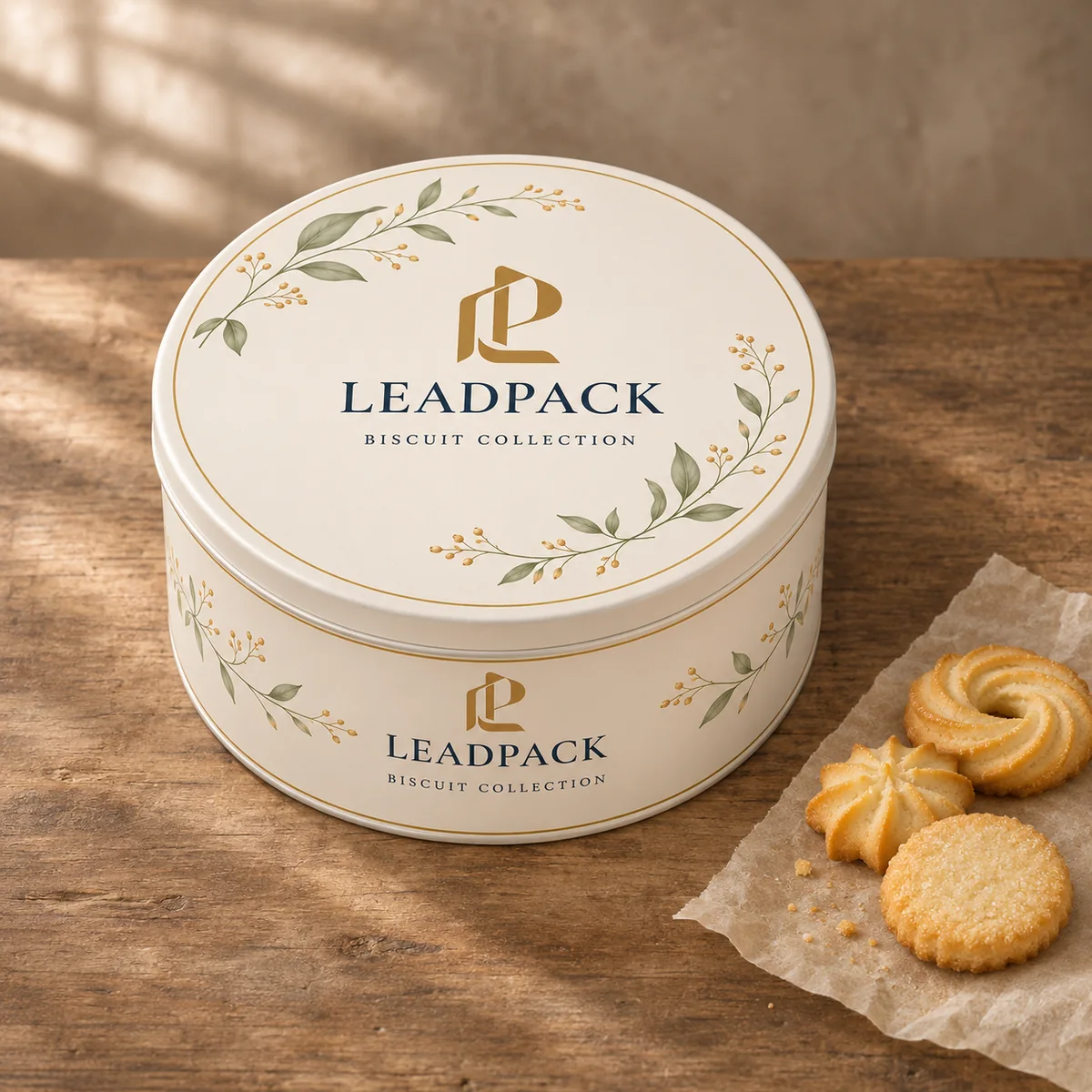
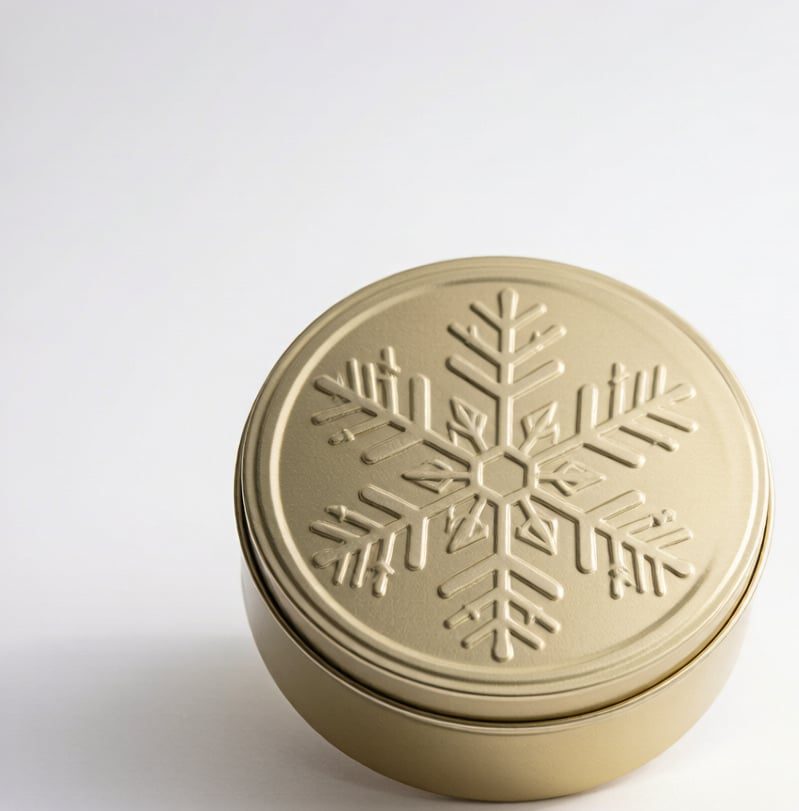
Brands in the gift sector, in particular, benefit. A custom luxury gift tin that once demanded a 3,000-unit commitment can now be prototyped as a single piece, then scaled only after the design proves itself. The gift packaging industry has been the fastest adopter of this flexibility, precisely because its cycles are event-driven rather than steady-state.
What This Means for B2B Buyers in 2026
Speed is only valuable if it does not erode quality or compliance. Three recommendations for buyers evaluating AI-accelerated, low-MOQ tin can suppliers:
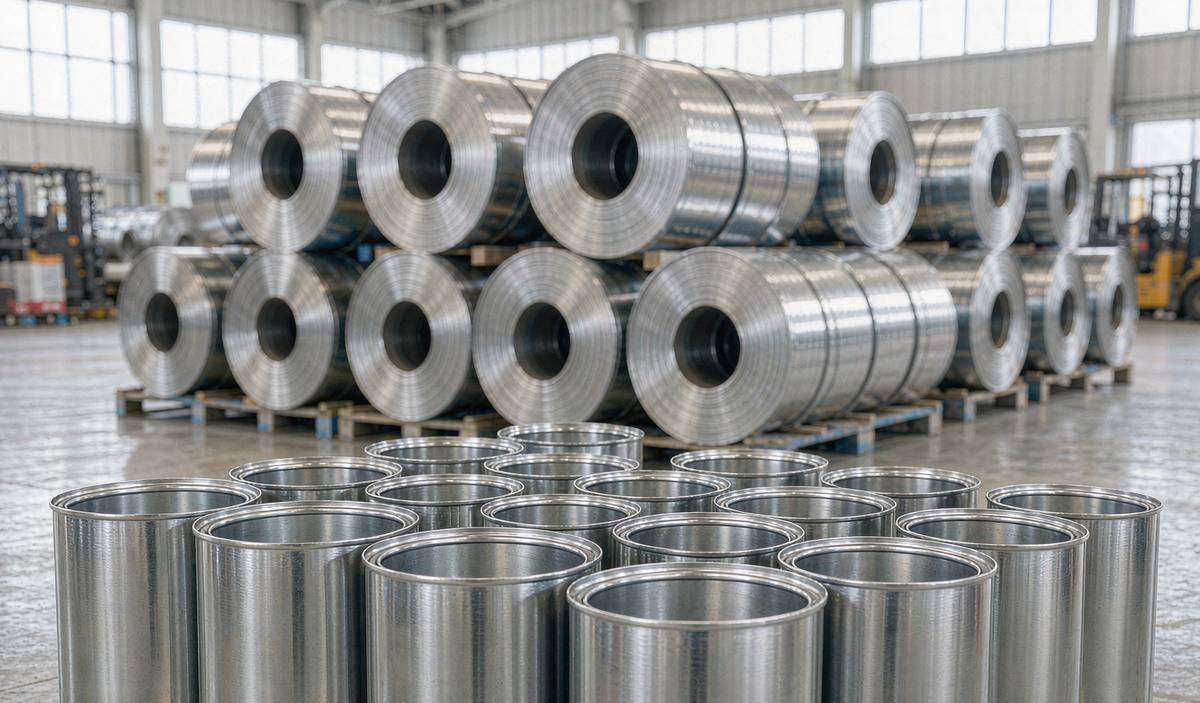
- Verify the substrate and coating, not just the render. A beautiful mockup means nothing if the tinplate gauge or internal coating fails food or cosmetic contact rules. Ask for the coating specification up front and confirm the regulatory basis.
- Treat one-piece as a sampling tool, not a production model. Single-unit pricing is rightly premium; use it to de-risk design, then move to volume for unit economics.
- Confirm the digital line's color fidelity at scale. Colors that look right on a one-off sample must hold across a 10,000-can run, so request a scaled proof before full production.
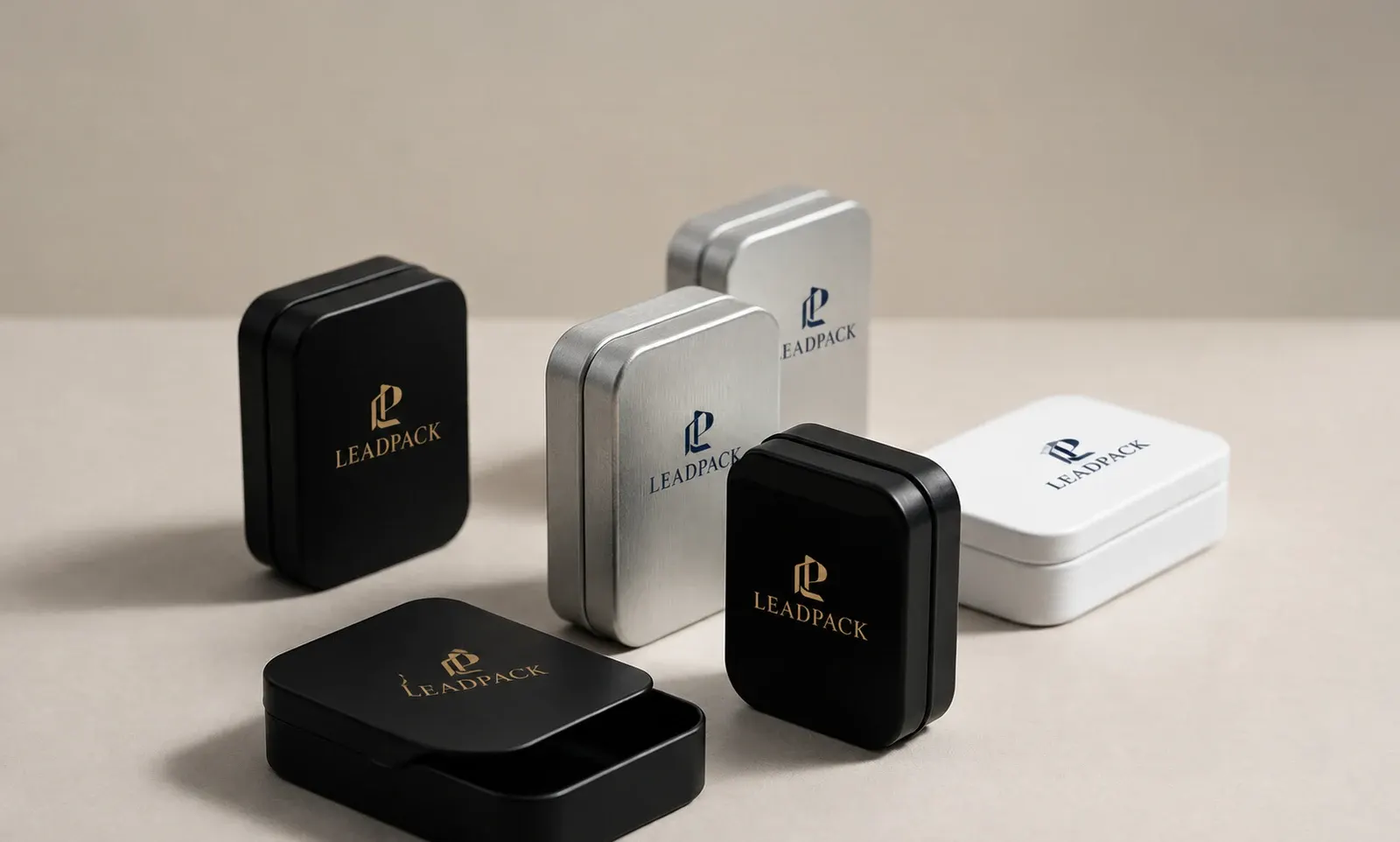
The premium cosmetic tin segment illustrates the tension well: buyers want fast, low-volume launches but regulators still require documented food- and skin-contact safety. The suppliers winning in 2026 are those pairing AI speed with auditable compliance paperwork, not the ones racing to the lowest turnaround.
Risks to Watch as the Cycle Compresses
Every acceleration creates new failure modes. The most common ones we see with compressed tin can sourcing:
- Spec drift. When design moves fast, the written specification can lag the render. Lock the dieline and coating in writing before ordering.
- Over-ordering samples. One-piece convenience tempts teams to prototype dozens of variants; cap the exploration set to keep decision momentum.
- Compliance blind spots. Digital lines can print anything you upload. The responsibility to stay inside food, cosmetic, and heavy-metal limits stays with the buyer and the supplier's QA, not the algorithm.
How to Specify Your Next Tin Can Run
To capture the new speed, write a brief the AI and the factory can both act on. Include:
- End use and contact class (food, cosmetic, pharmaceutical, or non-contact) — this dictates coating and gauge.
- Target volume and desired MOQ tier — one-piece sample, short run, or full production.
- Brand assets — logo, palette, and any regulatory marks.
- Structural reference — an existing product page or similar tin can shape.
Our customization guide walks through each field and shows how a structured brief shortens the approval loop. For buyers new to low-MOQ tin cans, starting with a single decorated sample remains the lowest-risk first step and the fastest way to learn a supplier's true turnaround.
This shift also reframes the competitive landscape. As we covered in our analysis of personal-care aerosol tinplate cans in 2026, the winners are not the cheapest mills but the ones that compress lead time while keeping engineering rigor. The same logic now applies to decorated tins across every category, from gift to cosmetic to food.
Conclusion
The 15-day tin can design cycle was a symptom of analog constraints, not a law of physics. AI-assisted design and flexible digital manufacturing have collapsed that window to under a day and made one-piece ordering a realistic option. For B2B buyers, the opportunity in 2026 is clear: prototype faster, de-risk with samples, and scale only what the market confirms — without giving up the compliance and craft that make a tin can worth specifying in the first place.
Need Help Choosing the Right Tin?
Tell us what you plan to pack and share an article or model you found useful. We can help confirm size, closure and sample options.