Why the "Where to Manufacture" Question Got Harder in 2026
For years, "where should I source custom tin cans?" had a default answer. In 2026 the calculus changed. Two forces rewrote the spreadsheet: a wave of packaging regulation — EU PPWR, China's new coating standard, and the incoming CBAM carbon tariff — and a sharpening India supply base that is no longer a fringe option. If you only compare the per-unit quote, you will miss the line items that now decide whether a program actually ships and clears customs. This guide breaks down China vs India on the four numbers that matter: MOQ, unit cost, lead time, and compliance burden.
MOQ: China's Low Floor vs India's Volume Bets
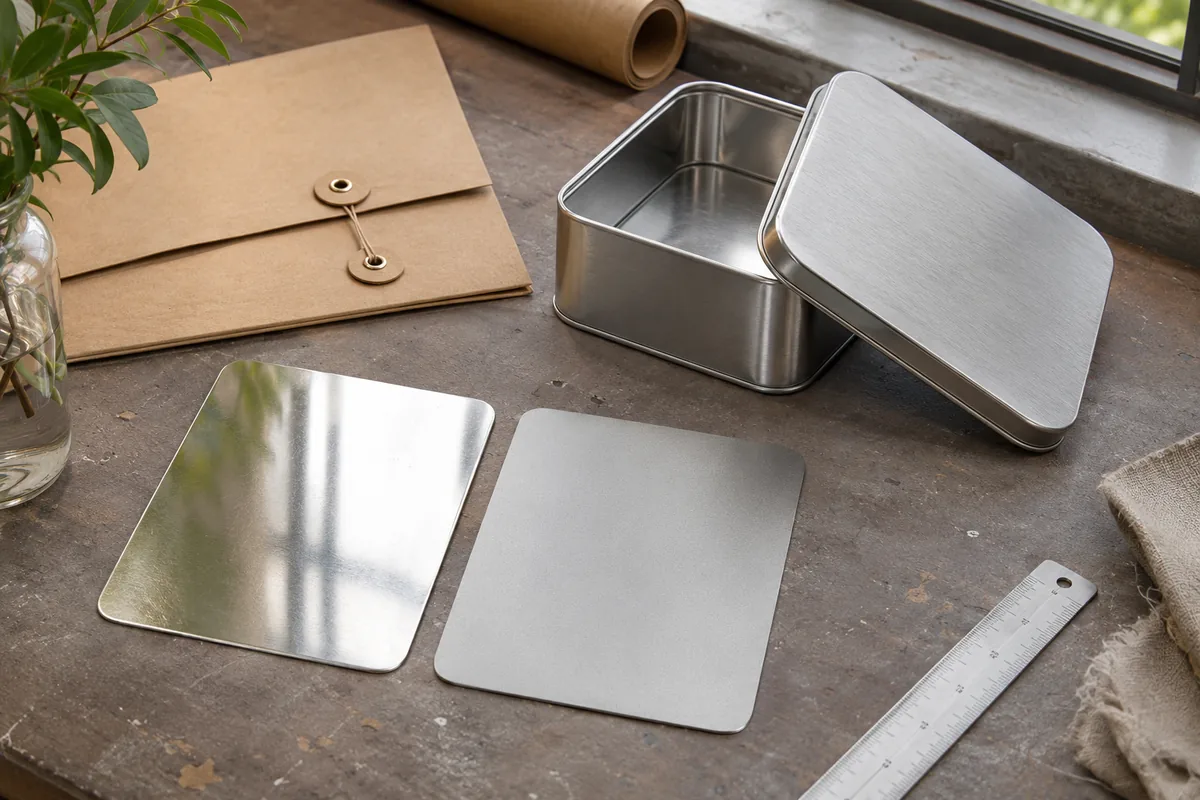
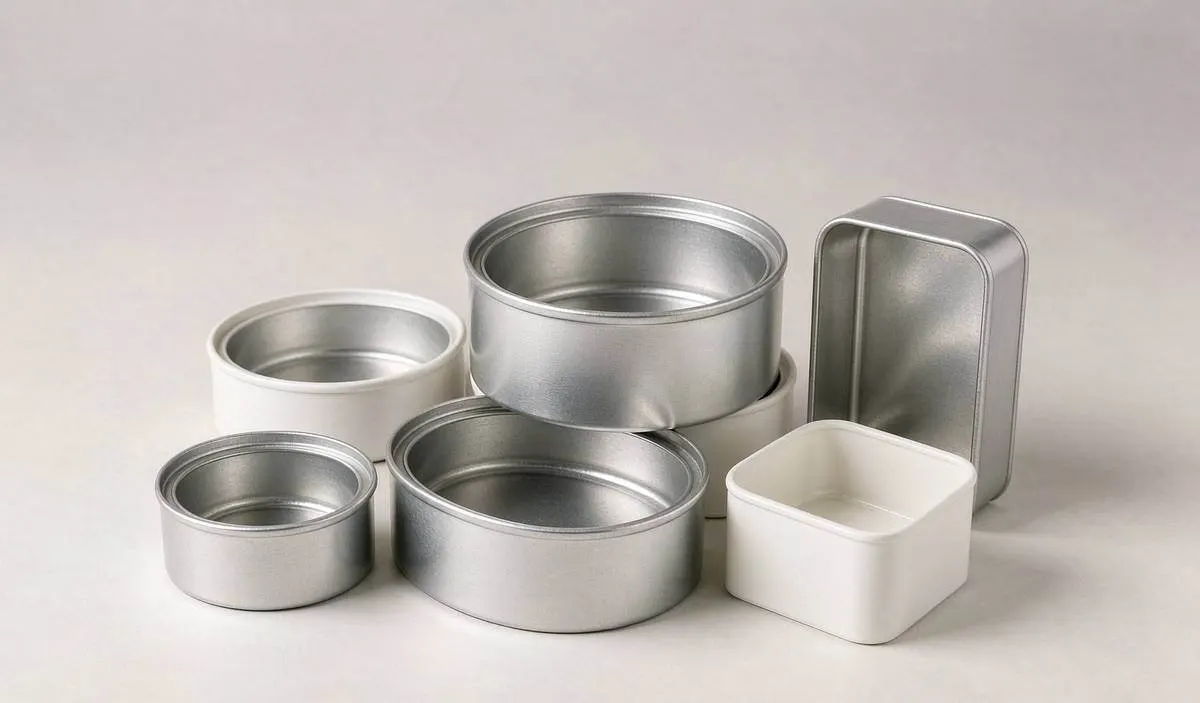
China's mature stock-mould ecosystem means a custom-printed tin can often starts at 500-1,000 pieces on an existing shape, while a fully bespoke die pushes the floor to 3,000+. That low floor is exactly why reusing a supplier's existing-mould library can cut tooling by around 40% — a lever we detailed in our guide to existing-mould tooling savings. India's tin box makers frequently quote MOQs from 50-100 pieces on simple items, but category leaders such as candle tins still cluster around 25,000 pieces at roughly ₹12 ($0.14) per unit — a volume bet, not a test run. If your first order is a market test, China's 500-piece opening is the safer entry.
Unit Cost: The Headline Number Is Close — The Total Isn't
On a like-for-like printed tin, China FOB runs about $0.30-1.60 per piece depending on gauge, finish and volume; India quotes land near ₹10-25 ($0.12-0.30) on commodity shapes. The gap looks in India's favor until you add freight, tariffs and compliance. A US buyer now faces Section 232 metal-products duties reported up to 50% of customs value for some tin-containing goods, while the EU's anti-dumping measures on Chinese tinplate sit at 13-62%. India-origin goods dodge the tinplate dumping duties but carry their own documentation load. The honest answer: the per-unit winner flips by destination market, not by factory country.
Lead Times: Both Need the Same Backward Plan
Production on a stock-mould run is typically 20-25 days in China and comparable in India; a bespoke die adds 10-14 days of machining and proofing on either side. Neither number includes ocean freight, which adds 30-45 days to the US or EU. The lesson that matters for Q4: place the PO at least 70-100 days before launch regardless of country. The country choice changes the factory clock by days; the freight and holiday closures change it by months.
Compliance: The New Deciding Factor
This is where the two supply bases diverge most. A China supplier shipping to the EU or UK can hand you a ready packet: a PPWR Declaration of Conformity, lab-tested coating reports under China's GB 4806.10-2025 coating standard, and CBAM carbon data once the 2027 mechanism bites. India is closing the gap — its BIS food-grade certification now adds tin-layer uniformity and weld-integrity testing — but the documentation maturity and English-language technical files are, on average, further along in the Chinese base. For brands selling into regulated Western markets, the compliance file is now part of the unit price.
Tooling Depth and Finish Quality
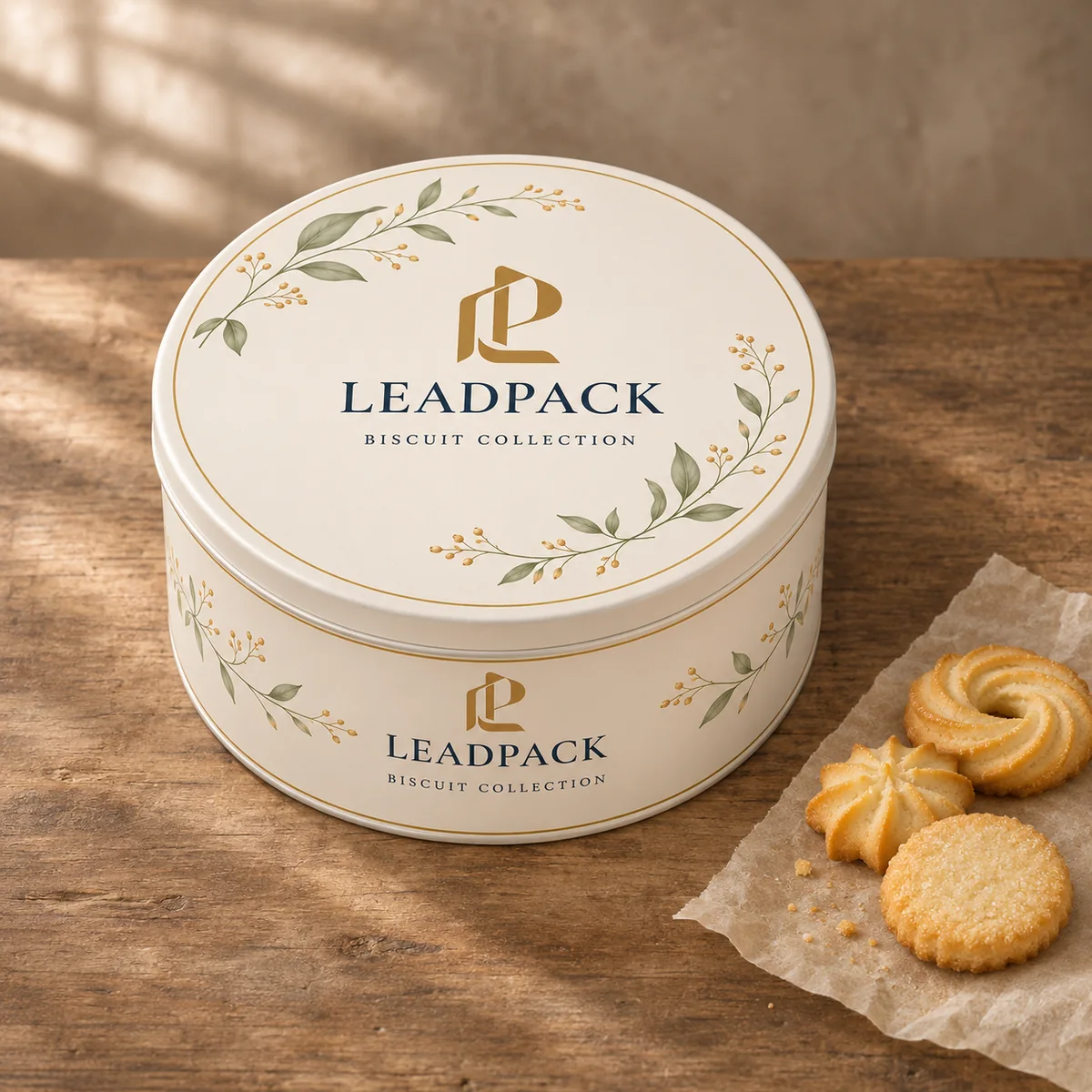
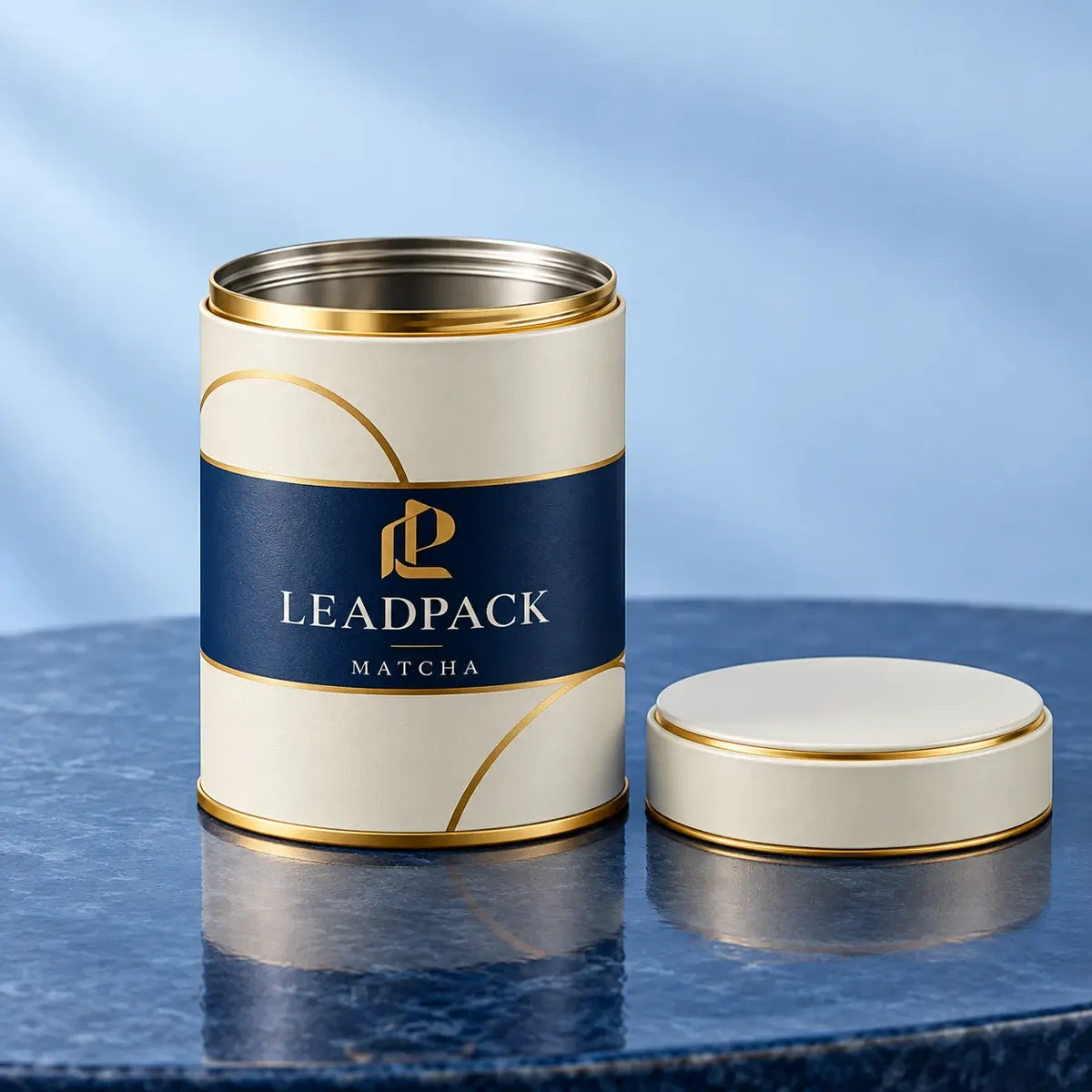
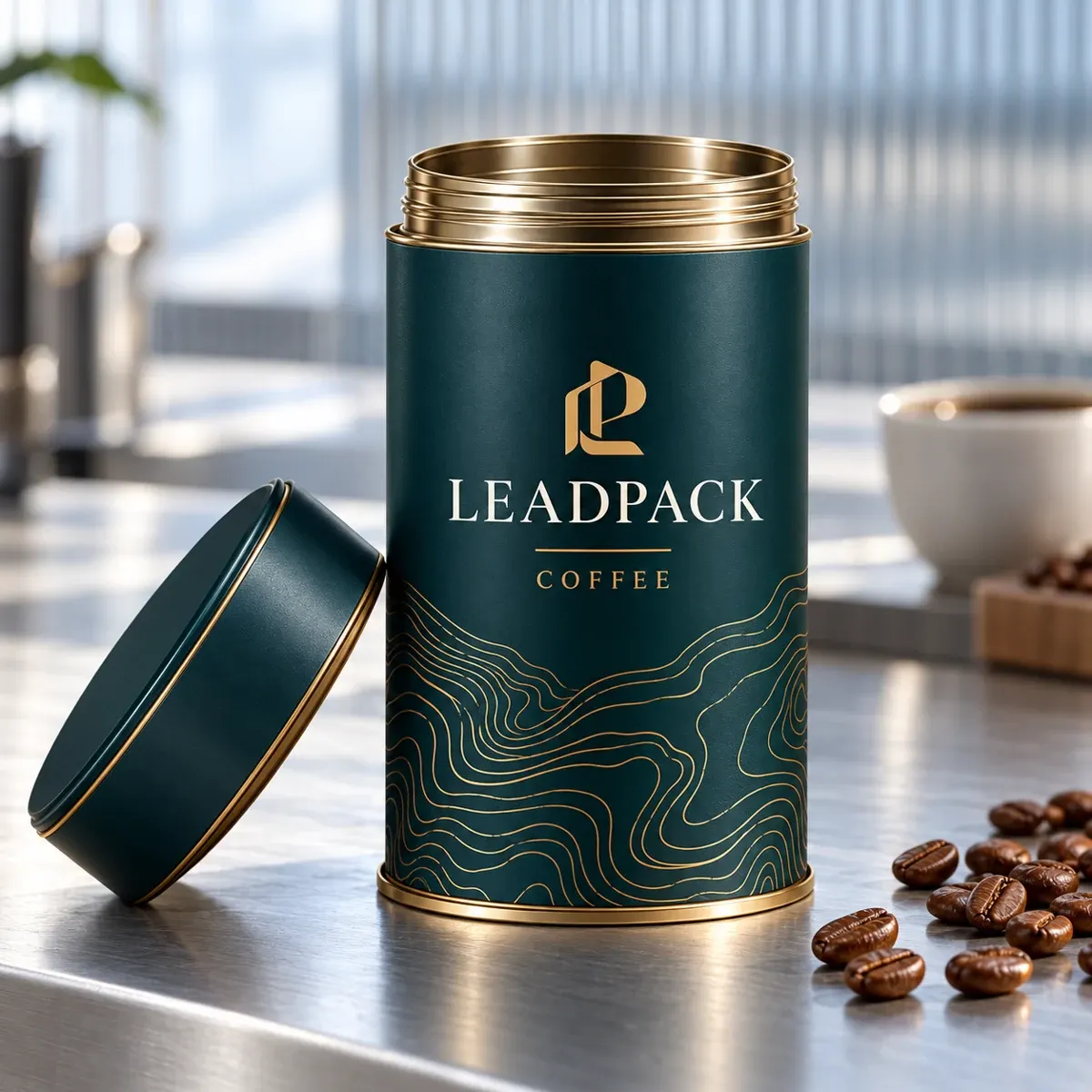
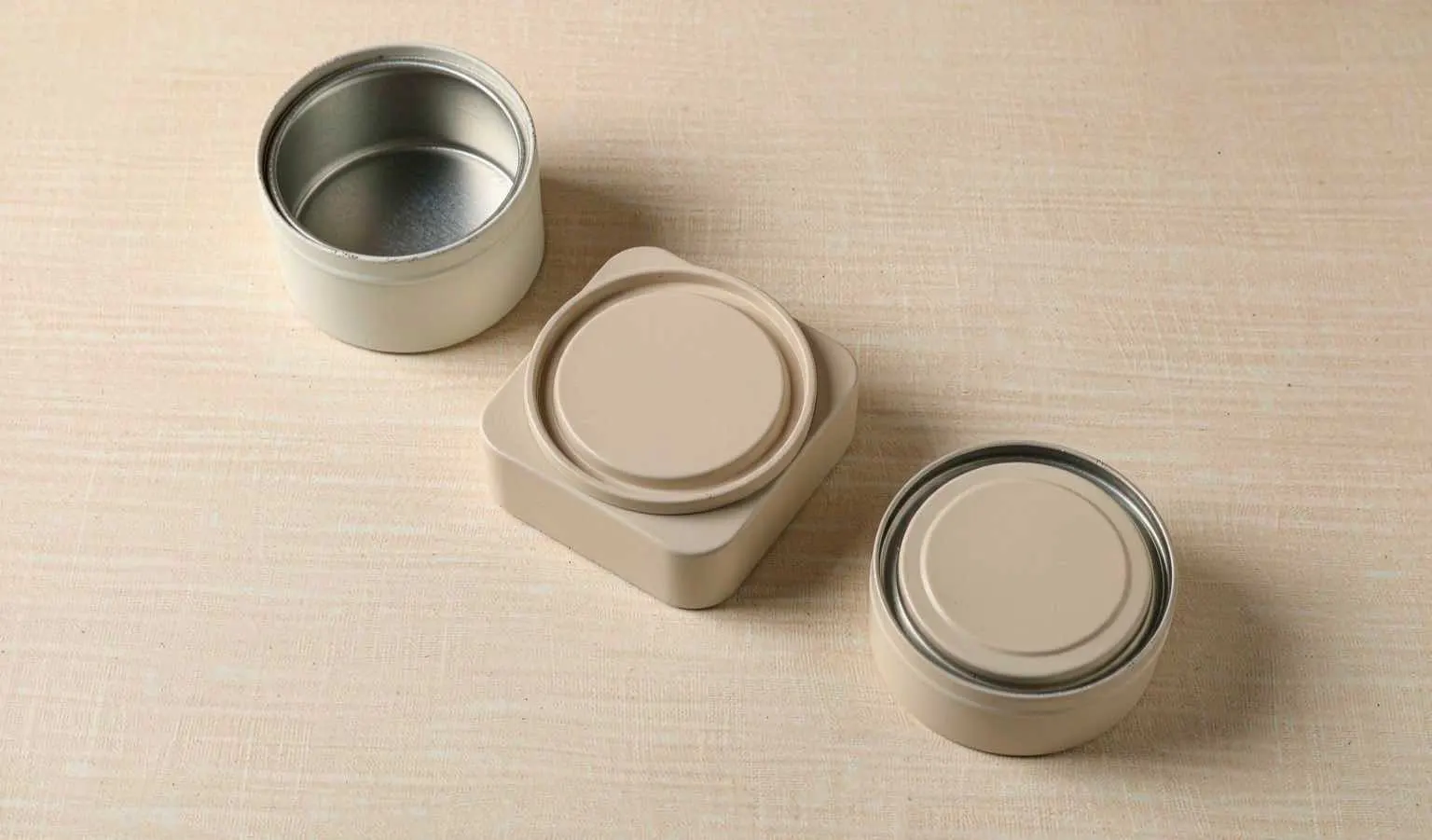
China's established factories maintain 2,000+ qualified stock moulds, so a "custom" tin is often a finish-and-print exercise on a proven shape. That depth shows up in shelf-ready results: a rose-gold cosmetic tin or an ornate gold-blue gift tin can be launched without a new die at all. India's mould library is growing fast but remains narrower in premium finishes. If your differentiator is a quiet-luxury emboss or a transparent-lacquer look, tooling availability should weigh as heavily as the quote.
Which Segment Should You Source Where?
Use China when speed-to-shelf, low MOQ and a deep finish menu matter — most of the gift-packaging segment programs, cosmetics and food tins fit here. Consider India when you have a large, stable volume, a simple shape, and a destination that penalizes Chinese metal inputs. The smartest buyers run a dual-source pilot: a China stock-mould run to prove the design, then a volume re-order benchmarked against India.
How to Brief a Supplier on Either Continent
- Specify the finish stack — lacquer, emboss depth (0.3-0.8 mm) and coating — so quotes are comparable.
- Demand the compliance folder up front, not after production, especially for EU/UK-bound goods.
- Request a pre-production sample and approve the physical proof before the full run.
- Lock the timeline backwards from your on-shelf date, including freight and a 2-week buffer for customs.
Make the Sourcing Call With Real Numbers
China vs India is not a flag you plant — it is a total-cost model that changes with your volume, finish and destination. Start from a proven shape, price the compliance file honestly, and let the landed cost decide. When you are ready to spec a run, request a quote with your target MOQ, finish and launch date, and we will map both the tooling and the documentation path for your market.
Need Help Choosing the Right Tin?
Tell us what you plan to pack and share an article or model you found useful. We can help confirm size, closure and sample options.