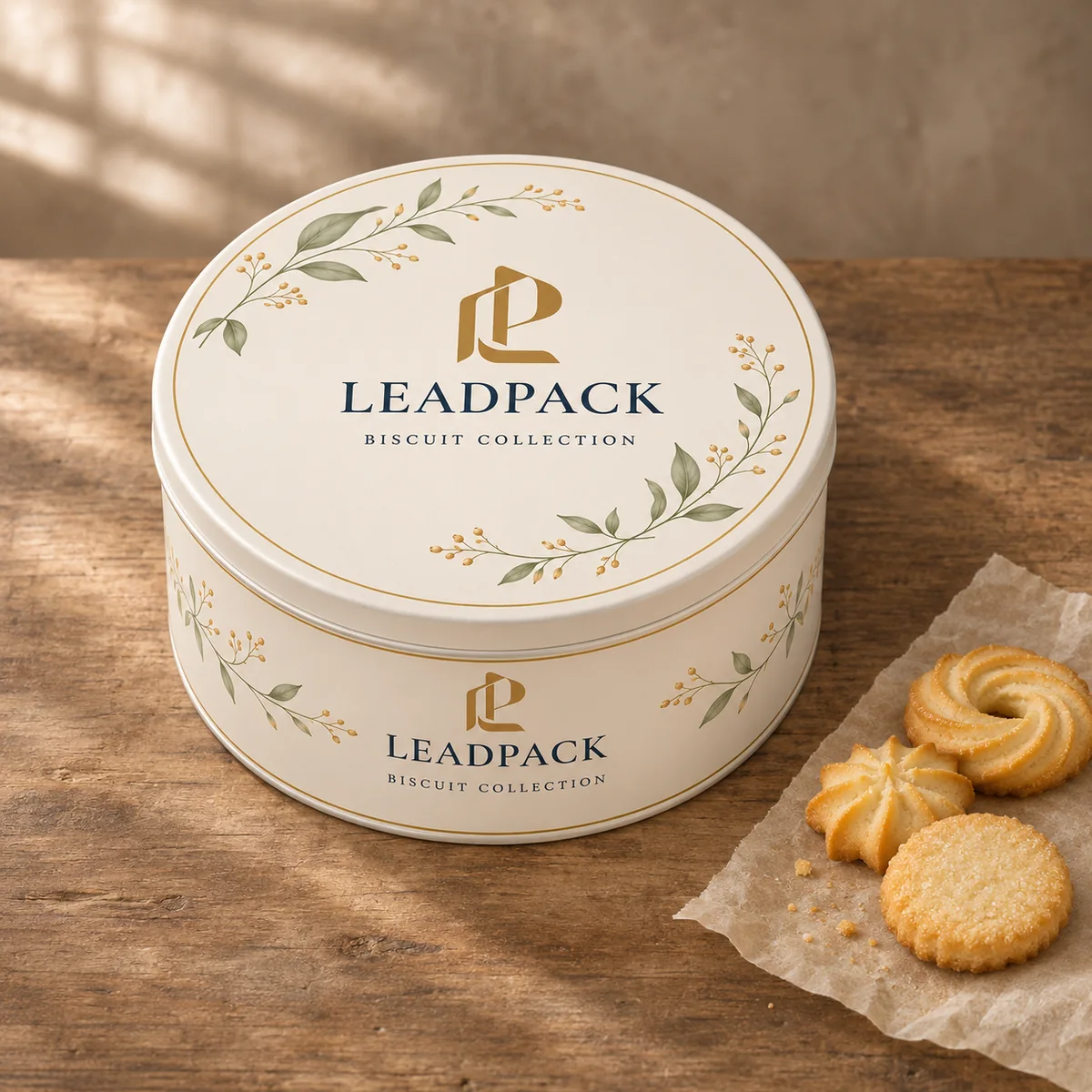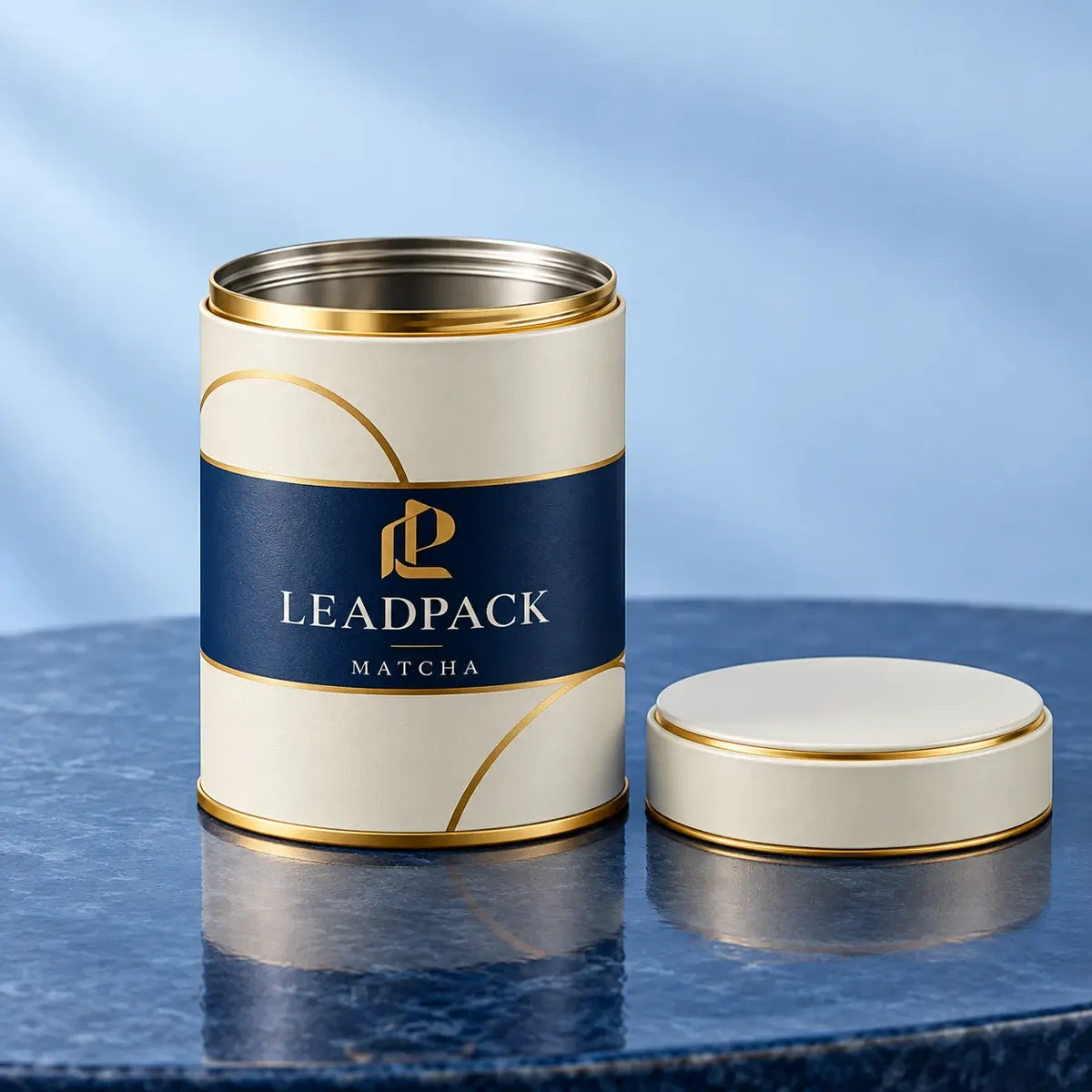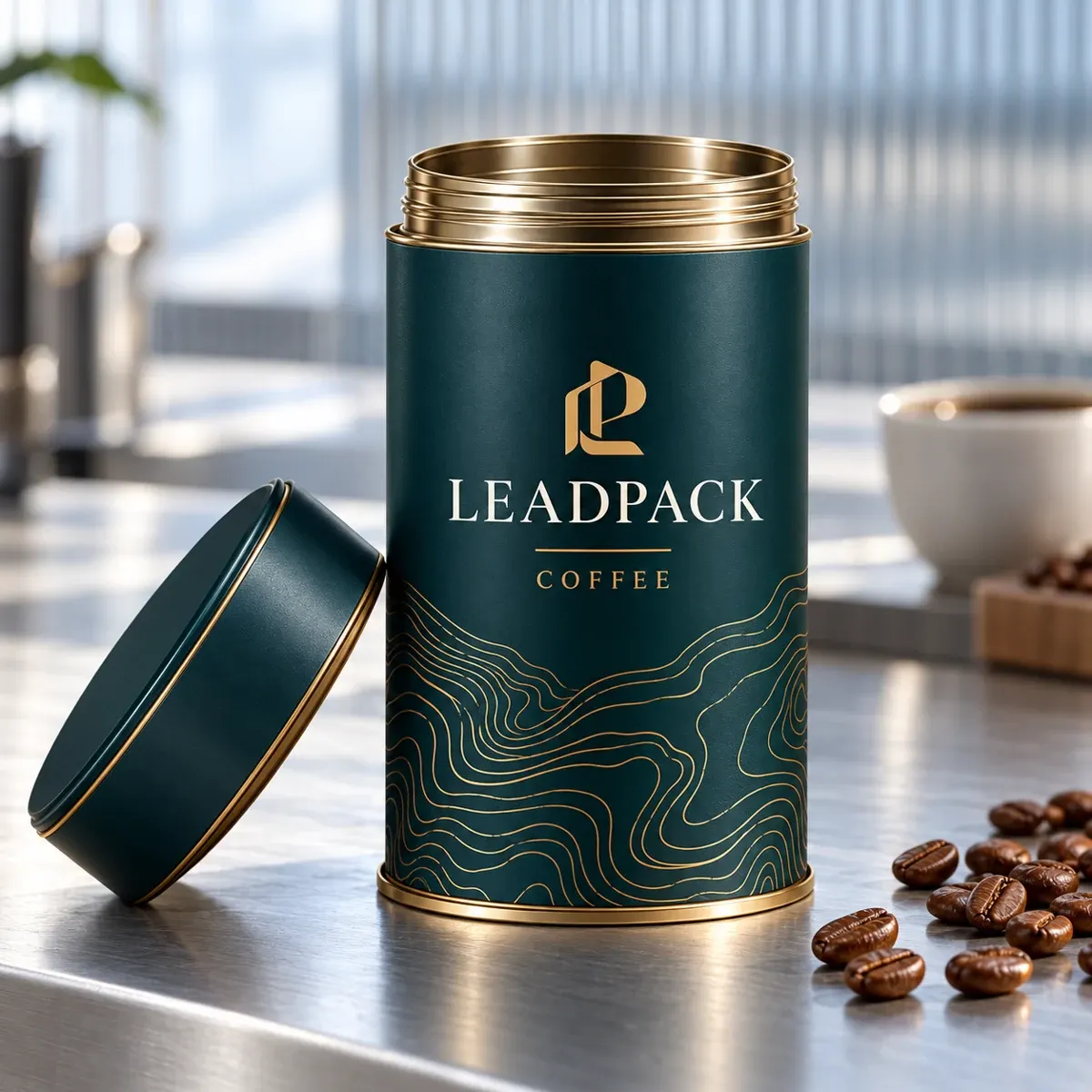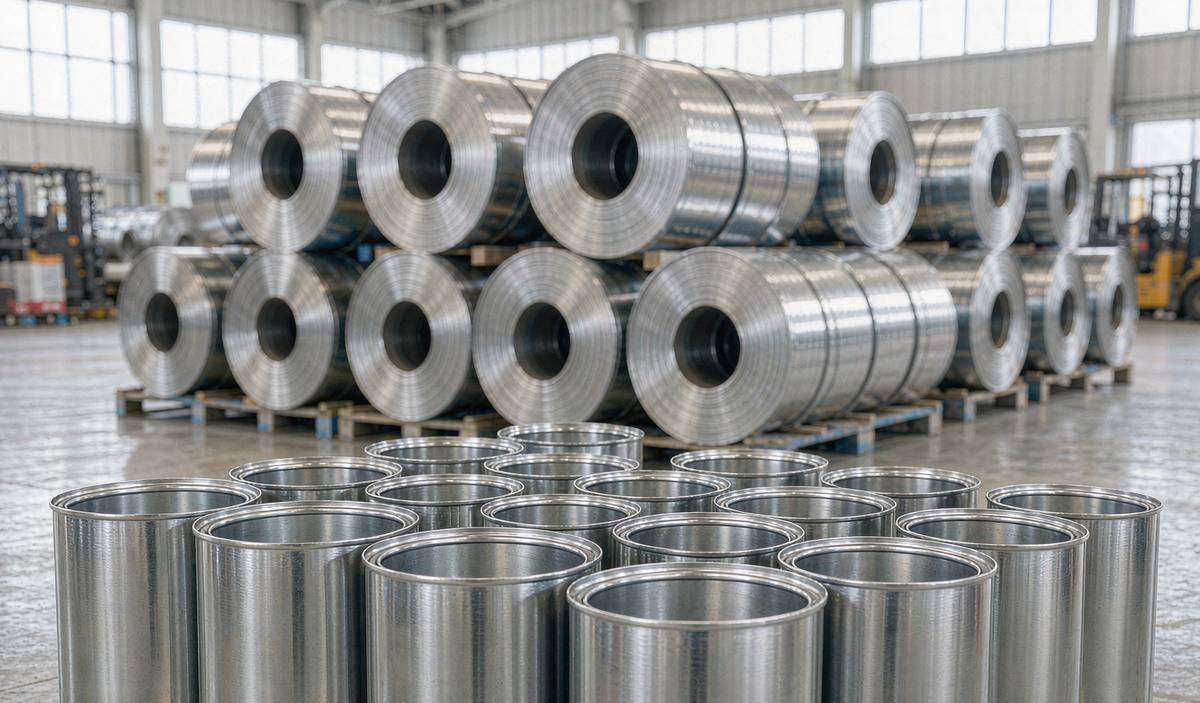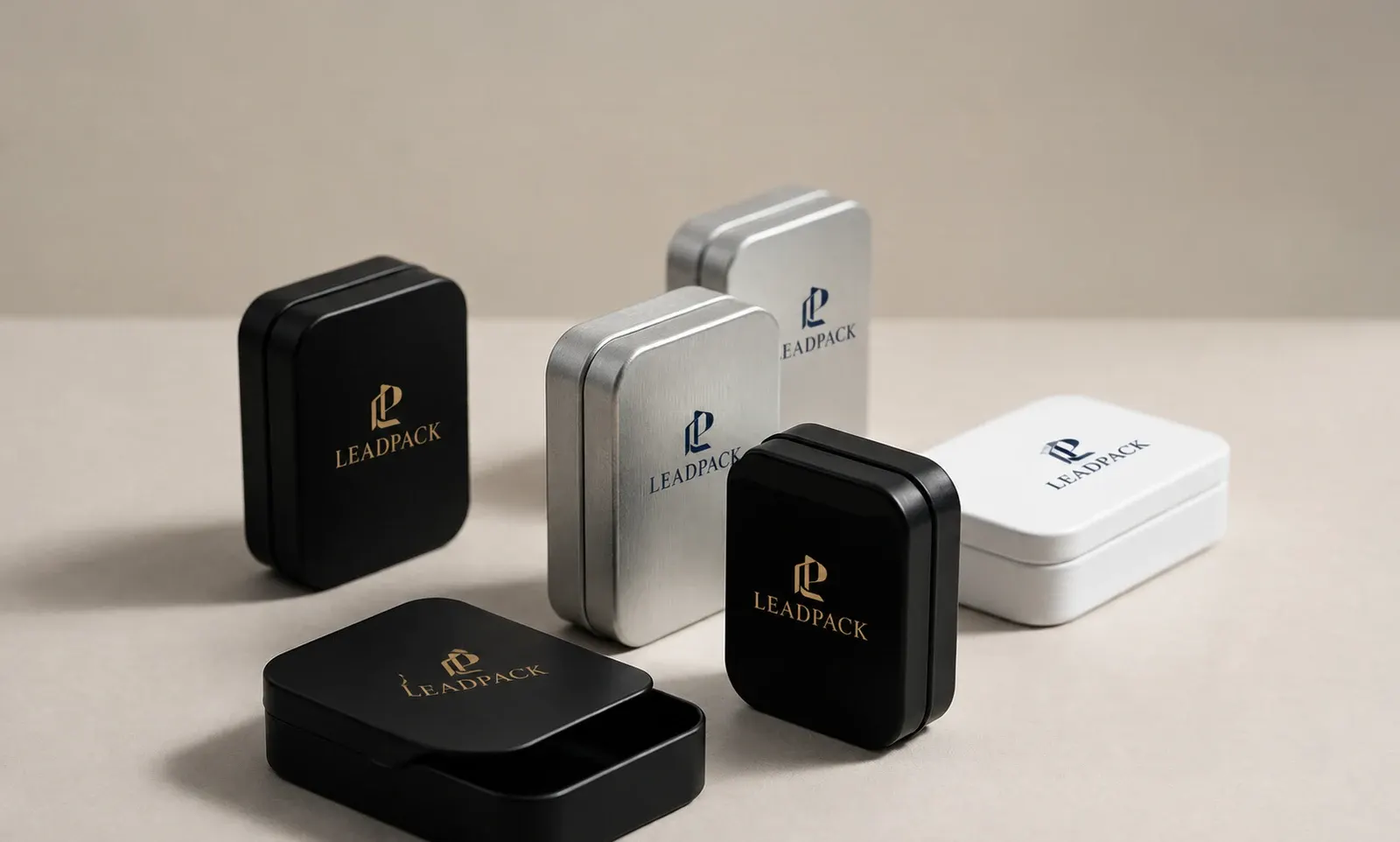
For two decades the premium pantry line was a glass jar with a metal lid, and the ready-meal was a plastic tray. That default is now shifting — not because glass or plastic disappeared, but because regulators and recyclers started pricing mixed-material packs out of the market. At Interpack 2026, a major global packaging OEM (Sonoco) commercialised the clearest proof yet: the CapOnCan, a mono-material steel can with a hermetically sealed, resealable steel lid, plus an AFNOR-certified microwaveable steel bowl built to replace the plastic ready-meal tray. Both are single-substrate metal. Both are the kind of tin can this site has always championed. This article explains why the mono-material resealable tin can is becoming the default plastic-free format, what it costs to specify one, and how PPWR's 2027 eco-modulated EPR fees make the switch a financial decision, not just a green one.
The signal: an OEM bet its new line on single-substrate steel
Sonoco's Interpack 2026 launch is worth reading closely because it inverts a long-standing assumption. The CapOnCan is not a decorated tin that still needs a plastic liner or a glass component. It is a metal body welded to a metal cap in one recyclable stream. The company positions it as a direct replacement for the classic glass jar + metal closure combination, and the microwaveable bowl as a replacement for the conventional plastic ready-meal tray. The stated wins are exactly the ones a tin can buyer cares about: lower tare weight than glass, no breakage risk in transit, secure reclosure for fridge storage after opening, and a single-material structure that scores at the top of any recyclability grade.
For B2B buyers, the takeaway is not "a competitor launched a product." It is that the industry's capacity investment is flowing toward mono-material metal formats — resealable, microwaveable, plastic-free — rather than toward yet another multi-layer composite. When a top-tier converter builds its flagship around steel, the material's status as the plastic-free default gets harder to argue against.
Why mixed-material packs became a liability under PPWR
The European PPWR (Regulation (EU) 2025/40) has been fully applicable since 12 August 2026. Its recyclability grading (A–E, where only A/B/C survive past 2038) and its Eco-Modulation of EPR fees change the economics of packaging choice. From 2027, producer responsibility fees in most member states are no longer a flat charge per kilogram; they are modulated by how easily the pack recycles. A mono-material tin can sits at the cheap end. A mixed glass-and-plastic or plastic-and-foil laminate sits at the expensive end.
The table below contrasts the two structures a brand actually chooses between when it packs a premium food or pet-food product.
| Attribute | Mono-material tin can (steel) | Glass jar + metal lid | Plastic tray / laminate pouch |
|---|---|---|---|
| Substrate count at end-of-life | One (steel) — recommended | Two (glass + steel), often with plastic liner | One to three plastics, often with foil |
| Magnetic sortability | Yes — infinite loop, no downgrade | Glass and metal sorted separately; liner lost | Low; films frequently rejected |
| Breakage / transit loss | None | Real risk, especially e-commerce | Low, but microplastic shedding |
| Reseal after opening | Available (CapOnCan-style steel lid) | Yes, but heavier and fragile | Rarely, and clumsy |
| PPWR EPR fee tier (2027) | Lowest band | Mid (glass) + separate metal fee | Highest band for films |
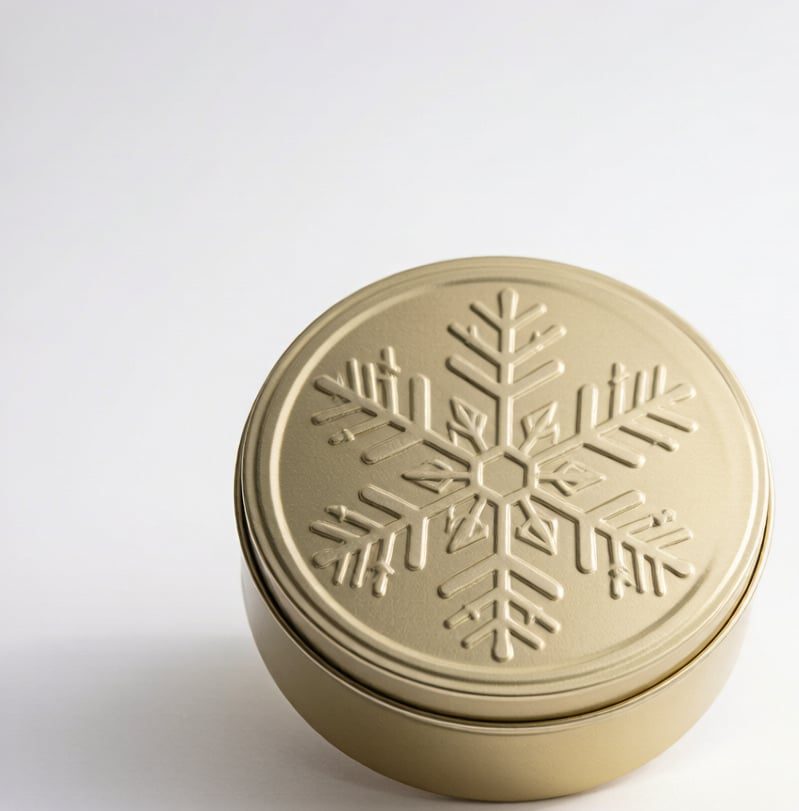
The mono-material tin can wins on every row that touches compliance cost and logistics. The only historical edge glass held — perceived premium heft — is now matched or beaten by a debossed, matte tin with a satisfying closure, at a lighter ship weight.
The fee maths: steel is 4–7x cheaper to place on the EU market
Eco-modulation is no longer theoretical. Belgium's Fost Plus published its 2027 packaging EPR rates, and the gap between steel and hard-to-recycle plastic is stark. A mono-material steel can is charged roughly €0.33 per kg in 2027 (up from €0.19 in 2026, but still trivial against the can's value). By contrast, plastic films land at €1.08–€2.21 per kg, and obstructed or non-valorised packaging hits €4.42 per kg. Per unit, a 40 g steel tin carries about €0.013 of EPR; a 12 g multi-layer plastic pouch can carry €0.02–€0.03 — and the plastic pack is the one regulators are actively pushing out.
| Material (2027 EPR rate, €/kg) | Belgium Fost Plus | Relative cost vs steel |
|---|---|---|
| Steel (mono-material can) | €0.3310 | 1.0x — lowest |
| Aluminium ≥50µm | €0.0399 | 0.12x |
| PET bottle, transparent | €0.3604 | 1.1x |
| PE film | €1.08–1.27 | 3.3–3.8x |
| PP film | €2.1425 | 6.5x |
| Other plastic film | €2.1425 | 6.5x |
| Non-valorised / obstructed | €4.4190 | 13.4x |
Multiply that across a million-unit annual run and the tin can's EPR bill is a rounding error while the plastic alternative becomes a line item worth re-sourcing around. This is the mechanism behind the Sonoco move: mono-material metal is not just recyclable, it is the cheapest substrate to keep compliant as PPWR ramps toward harmonised modulation around 2031.
What a resealable mono-material tin can actually delivers
The "resealable" part matters more than it sounds. A conventional three-piece tin, once opened, cannot be closed — the consumer transfers contents to another tub. The new generation solves that with a steel lid that snaps or screws back, so a family-size tin of pet food, supplements, or powdered mix stays sealed in the fridge. Three concrete payoffs:
- No glass breakage. Steel eliminates the shatter risk that makes glass expensive to ship, especially for direct-to-consumer and subscription models.
- Plastic-free reclosure. The seal is metal-to-metal or metal-to-enamel, with no PET liner required — which keeps the pack inside the mono-material definition that EPR rewards.
- Microwaveable steel is now certified. Sonoco's bowl earned AFNOR microwave certification by engineering geometry and wall specs that prevent arcing. Ready-meal brands get steel's barrier and shelf life with the convenience plastic trays promised.
For a brand already packing dry food, the resealable pet-supplement tin family shows the format in production: a screw-lid steel can, printed, mono-material, and built for repeat opening. It is the same logic behind the CapOnCan, just delivered as a configurable B2B line.
The procurement maths: what a resealable tin can costs to spec
Specifying a mono-material resealable tin can is no different from specifying any custom tin — the substrate is still tinplate or TFS steel, the print is still litho or digital, and the closure is a standard steel end. Typical 2026 numbers for a 0.23 mm tinplate food can with a resealable steel lid:
| Order quantity | Unit price (FOB, USD) | Tooling | Lead time |
|---|---|---|---|
| 2,000–3,000 (new mould) | $0.85–1.20 | $800–2,500 one-off | Sample 7–10 d, mass 30–45 d |
| 3,000–10,000 | $0.70–0.95 | Existing mould: $0 (40% saving) | 30–40 d |
| 10,000–30,000 | $0.55–0.72 | Existing mould | 30–35 d |
| 30,000–50,000+ | $0.45–0.58 | Existing mould | 28–35 d |
Two levers dominate the quote. First, use an existing mould: matching your footprint to a stock tool removes the $800–2,500 tooling charge and shaves 2–3 weeks off lead time. Second, hold the spec mono-material: a steel body with a steel lid and enamel lining avoids the multi-component surcharges that mixed packs attract downstream. Buyers planning a food-grade tin programme should lock the substrate, lacquer, and lid type in the RFQ rather than leaving them open.
RFQ checklist: how to brief your tin can supplier
A mono-material resealable tin can lives or dies on specification discipline. Brief your supplier with:
- Substrate: tinplate grade and temper (e.g. DR8/DR9 for bodies), coating weight, and lacquer system (BPA-NI, food-grade).
- Closure: specify a resealable steel lid — screw, snap, or CapOnCan-style — and confirm no plastic liner is required for the seal.
- Deco: matte or gloss, CMYK or spot, deboss/emboss for the quiet-luxury feel, and any QR for the PPWR Digital Product Passport.
- Compliance docs: DoC per (EU) 2025/40, heavy-metal and PFAS declarations, and migration test data for the intended food contact.
- EPR readiness: ask the supplier to confirm the pack scores Grade A/B so your 2027 eco-modulated fee stays in the lowest band.
The customisation team can turn this brief into a tooled run in 4–6 weeks if you start from an existing mould, which is the path most brands take for a first resealable SKU.
Why this is the tin can's moment, not glass or plastic's
None of this argues for switching to glass or plastic. Glass adds weight, breakage, and a separate EPR line; plastic films are the exact substrate PPWR is pricing out. The mono-material tin can keeps the barrier, shelf life, and print quality brands need, adds resealability that glass jars always had and plastic trays never did well, and lands in the cheapest EPR tier. As the late-2026 PPWR labelling delay shows, the regulation's framework is still settling — but the direction is fixed, and metal was exempt from the plastic recycled-content mandates from the start, as the PPWR recycled-content rule for metal makes clear.
For buyers sourcing ahead of the Q1 2027 restock window — keep in mind CNY 2027 falls on 6 February, so custom orders need a deposit by around 20 December 2026 — the resealable mono-material tin can is the format that satisfies the regulator, the recycler, and the consumer at once. It is, quite simply, the plastic-free default the rest of the industry is now racing to catch up to.
Need Help Choosing the Right Tin?
Tell us what you plan to pack and share an article or model you found useful. We can help confirm size, closure and sample options.