Why "Quiet Luxury" Is the 2026 Packaging Language Buyers Actually Respond To
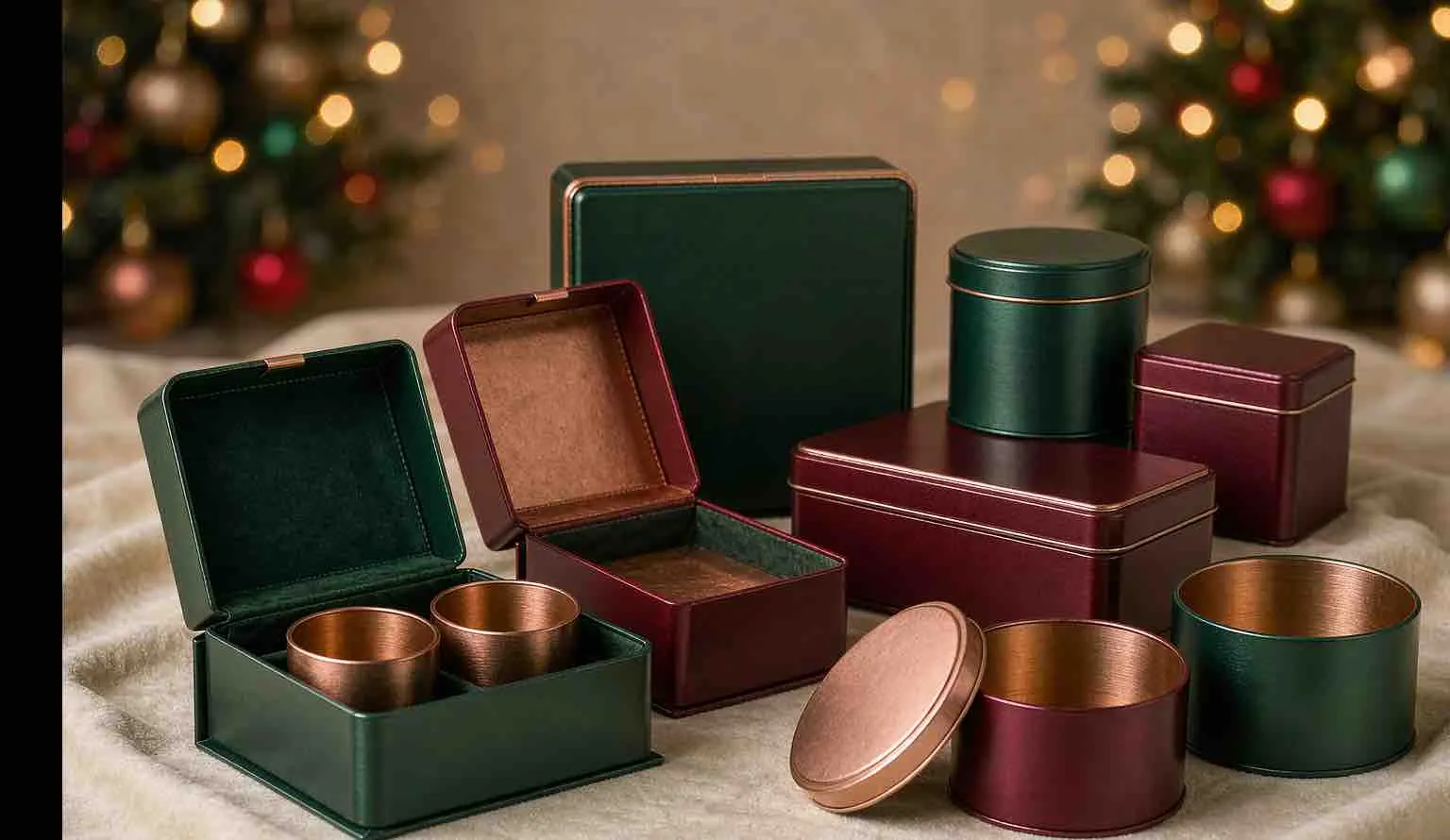
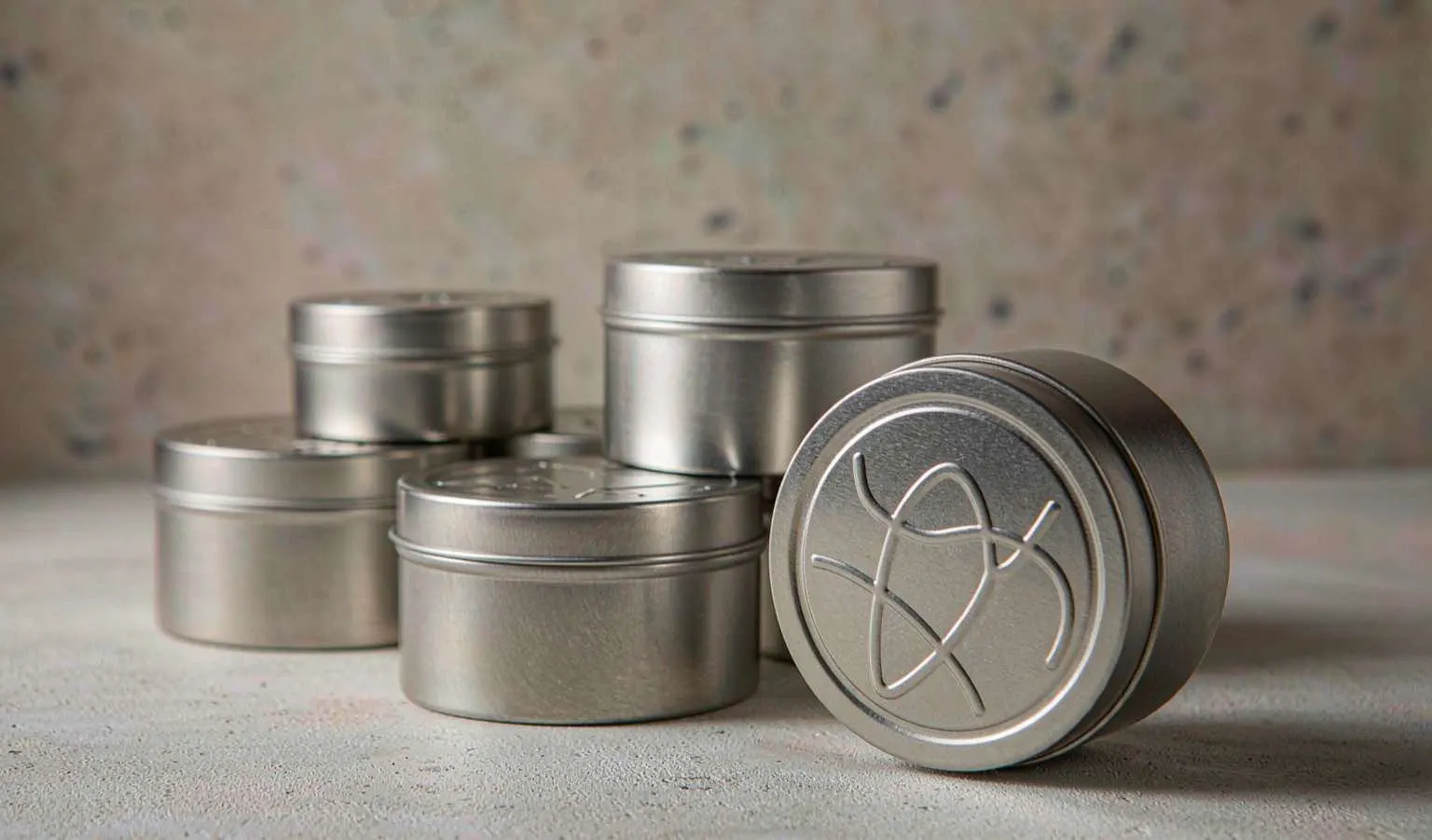
For a decade, premium packaging leaned on maximal signals: gold foil everywhere, saturated multi-colour prints, oversized logos. In 2026 the opposite is winning. The quiet luxury aesthetic — a restrained, tactile, almost whispered expression of quality — has moved from fashion into the gift-packaging segment, where unboxing is the moment of truth. Brands that switch from loud, plastic-heavy cartons to a minimalist metal tin with a raw-metal sheen and a subtly raised logo consistently report stronger repeat-purchase behaviour. One widely cited figure puts the unboxing-driven repeat-order lift at around 72% for premium gift tins built on this principle.
What "Quiet Luxury" Actually Means on a Tin Can
Quiet luxury is not "cheap" or "plain." It is expensive-looking without announcing the price. On tinplate, three finishes do the heavy lifting:
- Transparent lacquer — a clear satin varnish that lets the natural tin grain and brushed steel show through, replacing printed colour fields.
- 3D embossing / debossing — the logo or pattern is raised (or recessed) in the metal itself, so the brand mark is felt before it is read.
- Soft-touch matte coating — a velvety, fingerprint-resistant surface that reads as high-end the instant it is picked up.
Together they create a package that feels engineered rather than decorated — exactly the perception premium brands want. If you are planning a run, our guide to embossing and debossing techniques breaks down which die types survive high-volume production.
Transparent Lacquer: The Raw-Metal Aesthetic
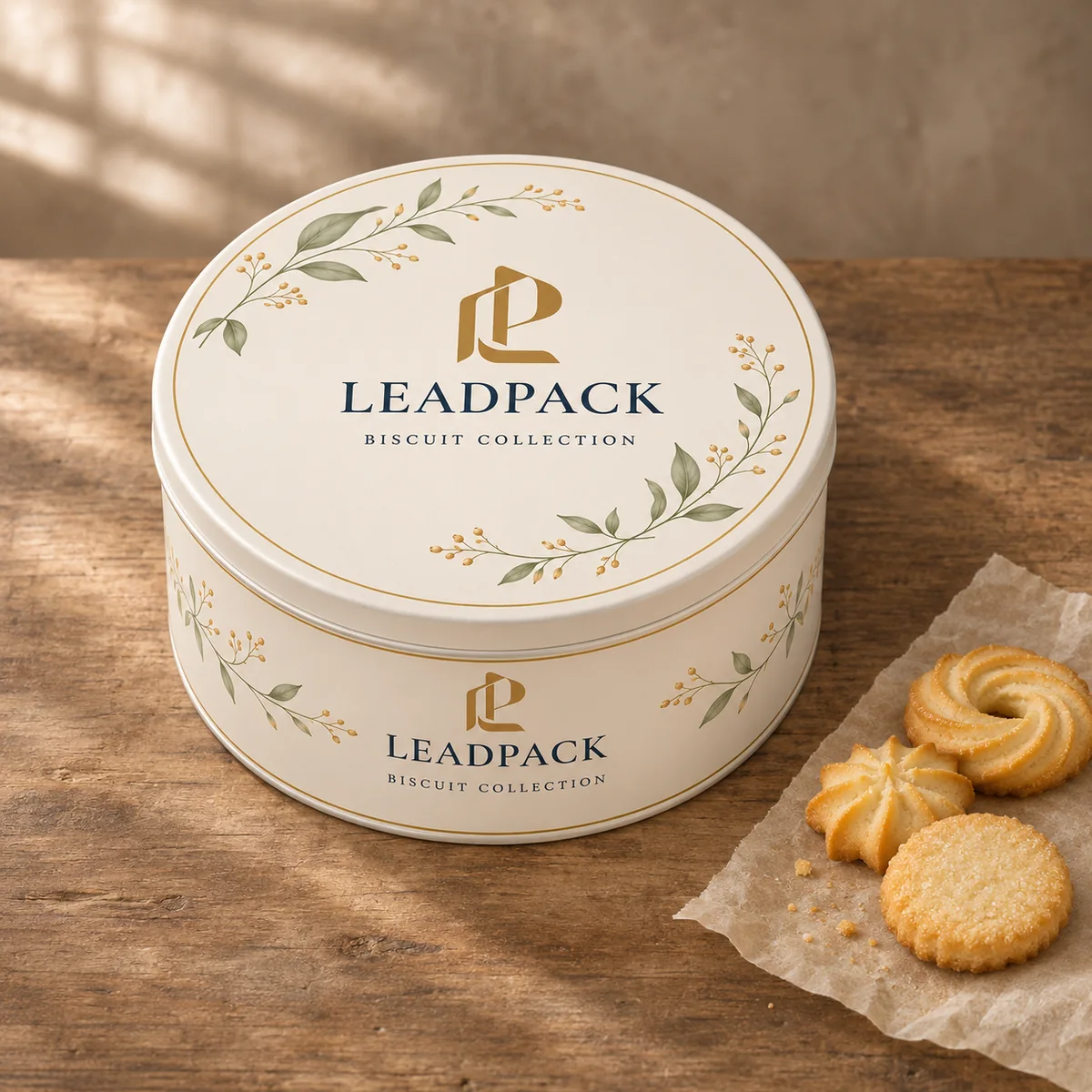
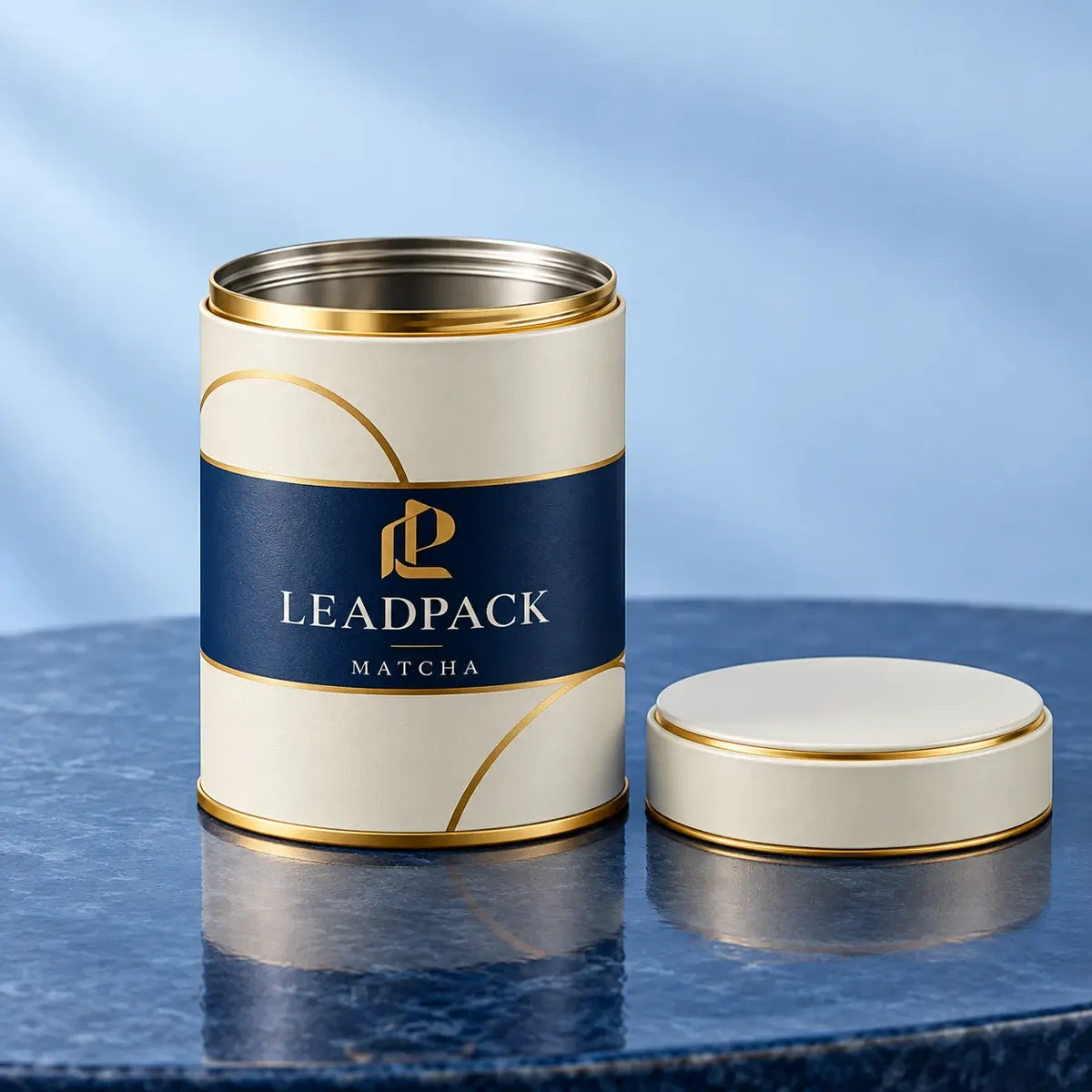
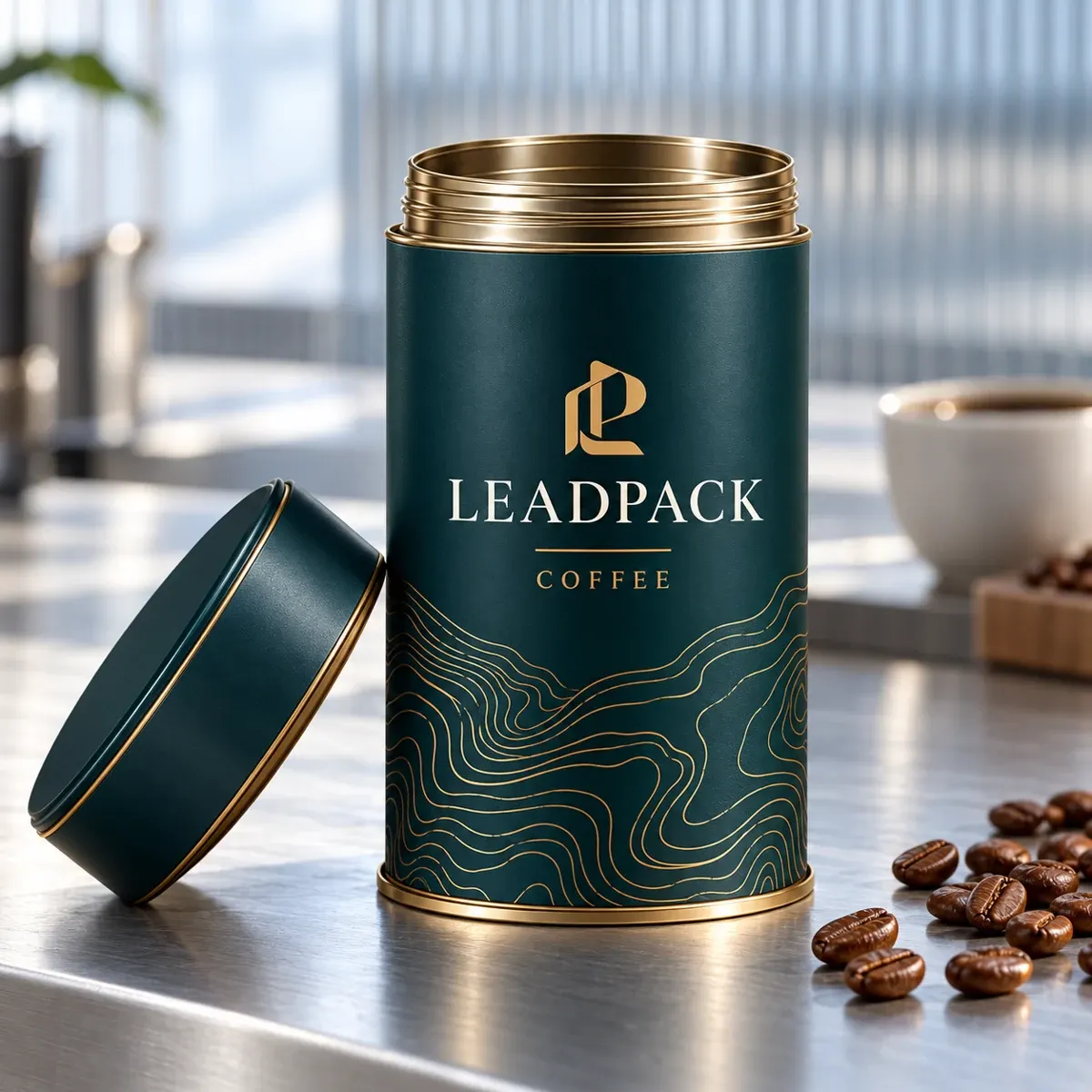
A transparent lacquer finish skips the opaque base coat entirely. After printing (often just a single recessed logo or a thin etched line), the tin is sealed with a clear, food-safe varnish. The result is a cool, architectural look that photographs beautifully on social feeds — which matters, because in the quiet-luxury model the package is itself the advertisement. Brands increasingly treat luxury gift tins as collectible objects customers keep on a shelf long after the product is gone, extending brand exposure for free.
3D Embossing and Debossing
Embossing presses the artwork up out of the tin surface; debossing pushes it in. Both are permanent, require no ink, and survive years of handling. For a quiet-luxury brief, a single deep emboss of the monogram — 0.3–0.8 mm relief — reads as confident and crafted. Combined with transparent lacquer, the raised metal catches light without any foil or gloss, keeping the look understated. Tooling a custom emboss die is a one-time cost, but if you select from a supplier's existing tin-box printing and finishing library you can skip much of that expense.
MOQ, Unit Cost and Lead Times
Quiet-luxury finishes are achievable at accessible volumes, though the embossing die raises the floor slightly versus a flat-printed tin.
- Minimum order quantity: 1,000–3,000 pieces for a custom embossed shape; 500–1,000 pieces if you adapt an existing mould.
- Unit cost (tinplate, transparent lacquer + 3D emboss): roughly $1.80–2.60/pc at 1,000 pcs, $1.20–1.80/pc at 5,000 pcs, and $0.90–1.40/pc at 10,000+ pcs. The premium finish typically adds $0.15–0.40/pc over a standard printed tin.
- Lead time: 20–25 days for standard production; 30–35 days when new embossing tooling must be cut; rush programs of 15–18 days are available at a 15–25% premium.
- Cost lever: reusing an existing mould can cut tooling fees by around 40% and shave 2–3 weeks off the schedule — the single biggest saving on a quiet-luxury launch.
Why Mono-Material Tin Aligns With PPWR
Quiet luxury is not only an aesthetic choice; it is a compliance-friendly one. A tin can is mono-material metal — infinitely recyclable, with tinplate recovery rates around 84.5% globally — which stands in sharp contrast to mixed plastic-and-paper gift cartons that struggle to hit recyclability grade C (≥70%) required under the EU PPWR by 2030. For brands shipping to Europe, the plastic-free, single-material nature of a transparent-lacquer tin directly supports the recyclability grades regulators now demand. As we laid out in our PPWR country-by-country guide, member-state enforcement is tightening fast, and packaging designed for recycling from day one is the lowest-risk path to market.
How to Brief a Manufacturer for a Quiet-Luxury Run
- Pick the shape first. Start from an existing mould in the supplier's catalogue to save tooling; specify dimensions, wall thickness (0.20–0.23 mm is the sweet spot) and closure type.
- Define the finish stack. State "transparent lacquer + single 3D emboss of logo at 0.5 mm relief + soft-touch matte" so there is no ambiguity on the production line.
- Ask for a pre-production sample. Embossing depth and lacquer clarity only read correctly on a physical proof — approve before the full run.
- Confirm food-safety and compliance docs. Request FDA/LFGB or GB 4806.10-2025 coating reports and, for EU-bound goods, the PPWR Declaration of Conformity.
- Plan the timeline backwards. With 30–35 day production plus ocean freight, a Q4 or Lunar-New-Year launch needs the PO placed at least 70–100 days out.
Build a Tin Your Customers Keep
Quiet luxury is the rare packaging strategy that lowers material complexity while raising perceived value — and it dovetails with the sustainability mandates reshaping European imports. If you want to see how the finish, embossing and compliance pieces fit together on a real project, our luxury tin-packaging trends overview is a useful next read. When you are ready to spec a run, our customization process walks through mould selection, finish proofs and lead-time planning, and you can request a quote with your target MOQ and launch date.
Need Help Choosing the Right Tin?
Tell us what you plan to pack and share an article or model you found useful. We can help confirm size, closure and sample options.