Why Tooling Cost Is the Hidden Line Item in Every Custom Tin Program
When buyers price a custom tin can, they usually start from the per-unit number. But the figure that quietly decides whether a project gets approved is the tooling cost — the one-time die and mould charge a factory passes on before a single can is stamped. For a fully bespoke shape this can run into thousands of dollars and add a month to your calendar. The good news: most brands do not actually need a new mould. By building from a supplier's existing stock mould and customising only the print and finish, you can launch a genuinely custom-looking tin while cutting tooling fees by roughly 40% and removing 2-3 weeks from the schedule.
What "Existing Moulds" Actually Means (and What It Doesn't)
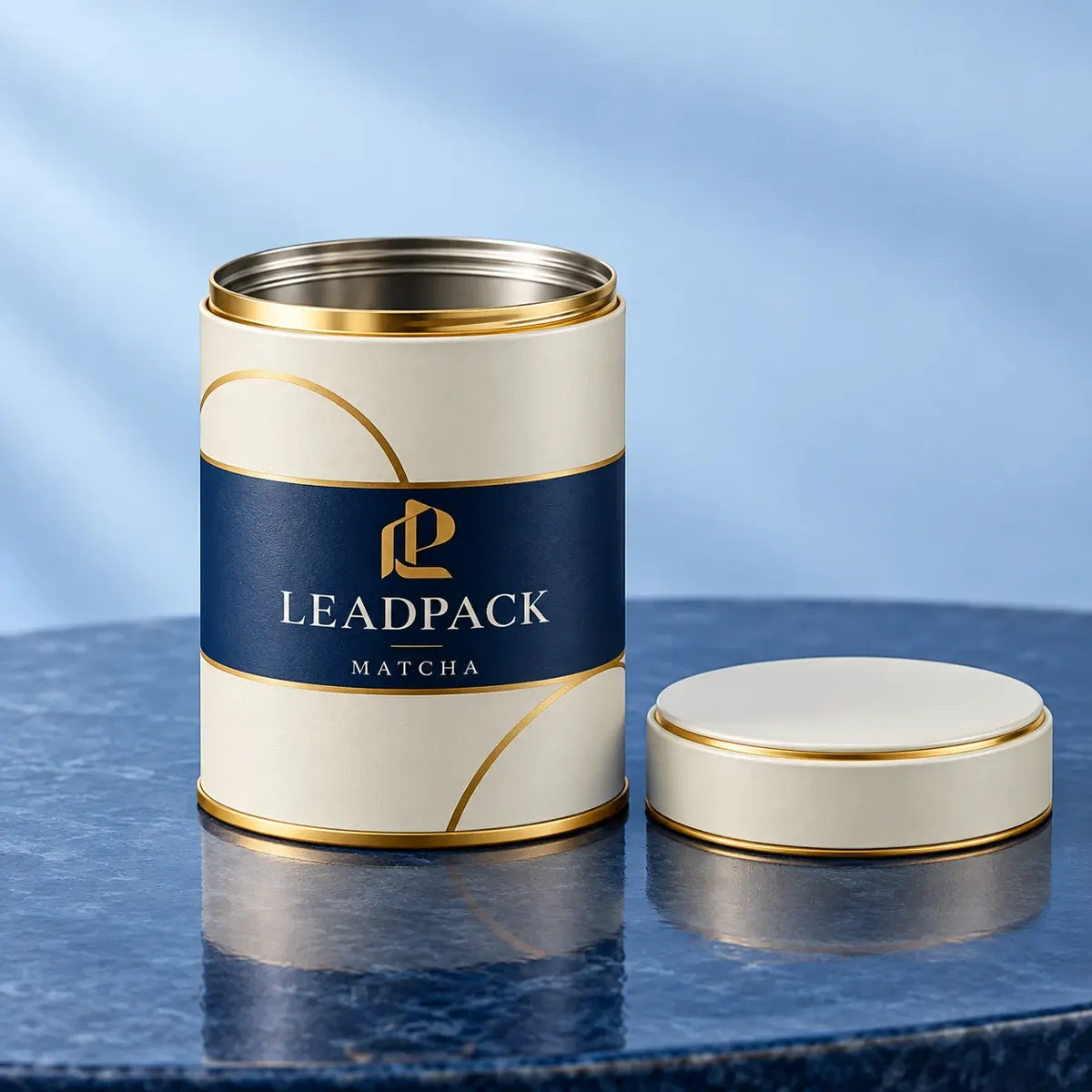
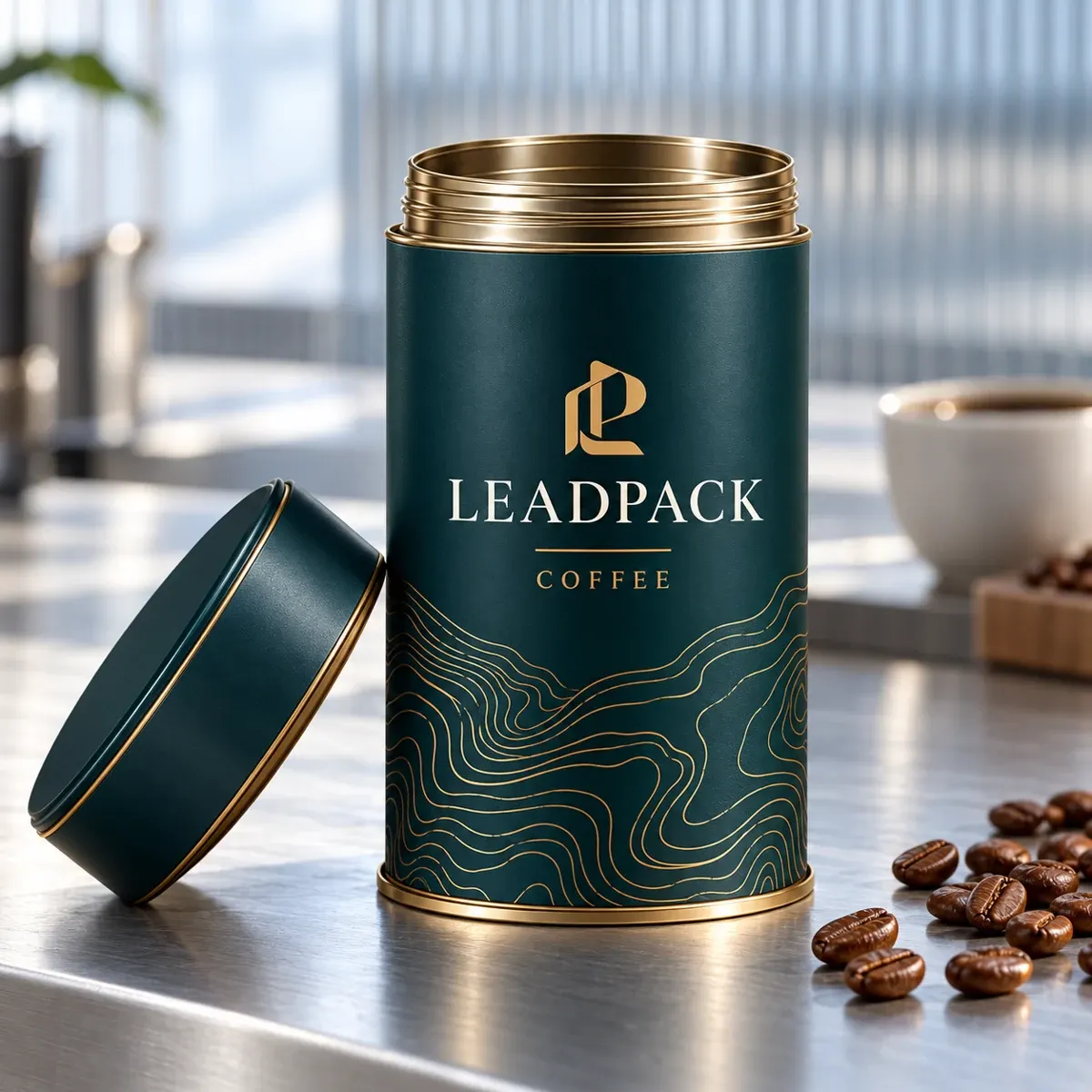
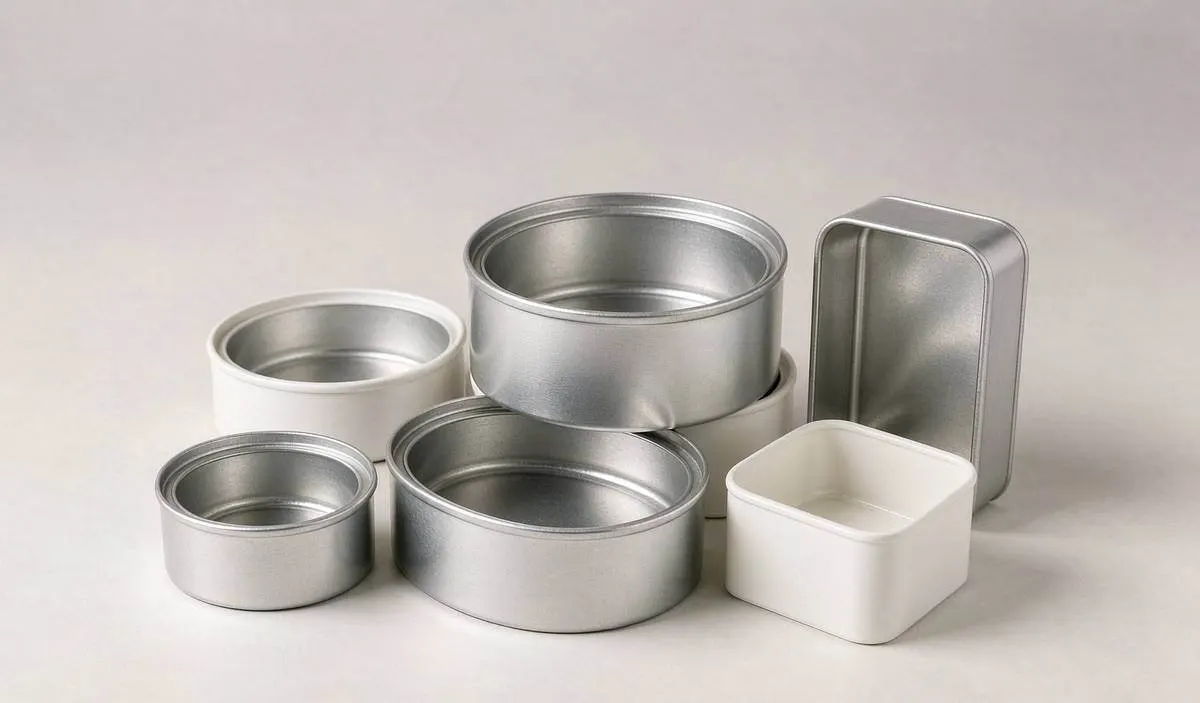
An existing mould — sometimes called a stock or catalogue mould — is a shape the factory has already cut and qualified: a round cosmetic jar, a square gift box, a rectangular coffee can, and so on. You do not pay to design or machine it. What you do control is everything the customer sees and feels:
- Offset or digital print (CMYK, Pantone, or a mix)
- Surface finish — matte, gloss, soft-touch, or transparent lacquer
- Embossing, debossing or spot UV on the lid or body
- Closure type (slip lid, hinged, screw-top) within the mould's range
- Inner coating for food-contact or aroma-barrier needs
You cannot change the fundamental geometry — diameter, height and wall profile are fixed by the tool. That is the trade-off, and for the vast majority of SKUs it is a small one. In the cosmetic packaging segment, for example, dozens of proven stock shapes already match premium shelf aesthetics, so a new mould is rarely the differentiator.
The 40% Tooling Saving — Where It Comes From
A bespoke tin requires CNC-machined dies, sample proofs and a production ramp that the factory amortises across your order. With a stock mould those steps are already done. The saving shows up in three places:
- Die cost: a custom emboss or shape die typically costs $800-3,000 one-time; with a stock mould this drops to $0.
- MOQ floor: custom shapes often start at 3,000+ pieces; stock moulds open at 500-1,000 pieces, letting you test a design before committing volume.
- Lead time: new tooling adds 10-14 days of machining and proofing; stock moulds skip it entirely.
This is not a fringe tactic. As we laid out in our quiet-luxury transparent-lacquer guide, reusing an existing mould is the single biggest cost lever on a restrained tin launch — it cuts tooling by around 40% and shortens the timeline by weeks, which is exactly why mono-material, low-tooling runs pair so well with a quiet-luxury brief.
MOQ & Pricing: Stock-Mould vs Full-Custom
Indicative FOB pricing for a standard tinplate can built on a stock mould (0.20-0.23 mm wall, food-safe lacquer):
- Stock mould, 500-1,000 pcs: ~$0.70-1.20/pc
- Stock mould, 5,000 pcs: ~$0.45-0.75/pc
- Stock mould, 10,000+ pcs: ~$0.30-0.55/pc
- Full-custom (new die), 3,000+ pcs: ~$0.90-1.60/pc plus $800-3,000 one-time tooling amortised across the run
The premium finishes that make a tin look expensive — transparent lacquer, a single 3D emboss, soft-touch matte — add only $0.15-0.40/pc over a plain printed can, and they apply equally to stock and custom shapes. So the "custom" feel comes from finish, not from a new mould.
Lead Times: 2-3 Weeks Shaved Off
Production on a stock-mould run is typically 20-25 days from artwork approval, versus 30-35 days when new embossing tooling must be cut. Rush programs of 15-18 days exist at a 15-25% premium. Plan backwards: with ocean freight on top, a Q4 or Lunar-New-Year launch needs the PO placed at least 70-100 days out, even on a stock mould.
Which Categories Suit Stock Moulds Best
Stock moulds cover the highest-volume gift and beauty formats, so they are ideal for:
- Cosmetic tins — round and square stock shapes suit balms, creams and solids; our rose-gold cosmetic tin is a ready example of a shelf-ready stock shape.
- Gift tins — square and heart stock boxes dominate seasonal and promotional runs; a geometric gift tin shows how a standard mould reads as premium with the right print.
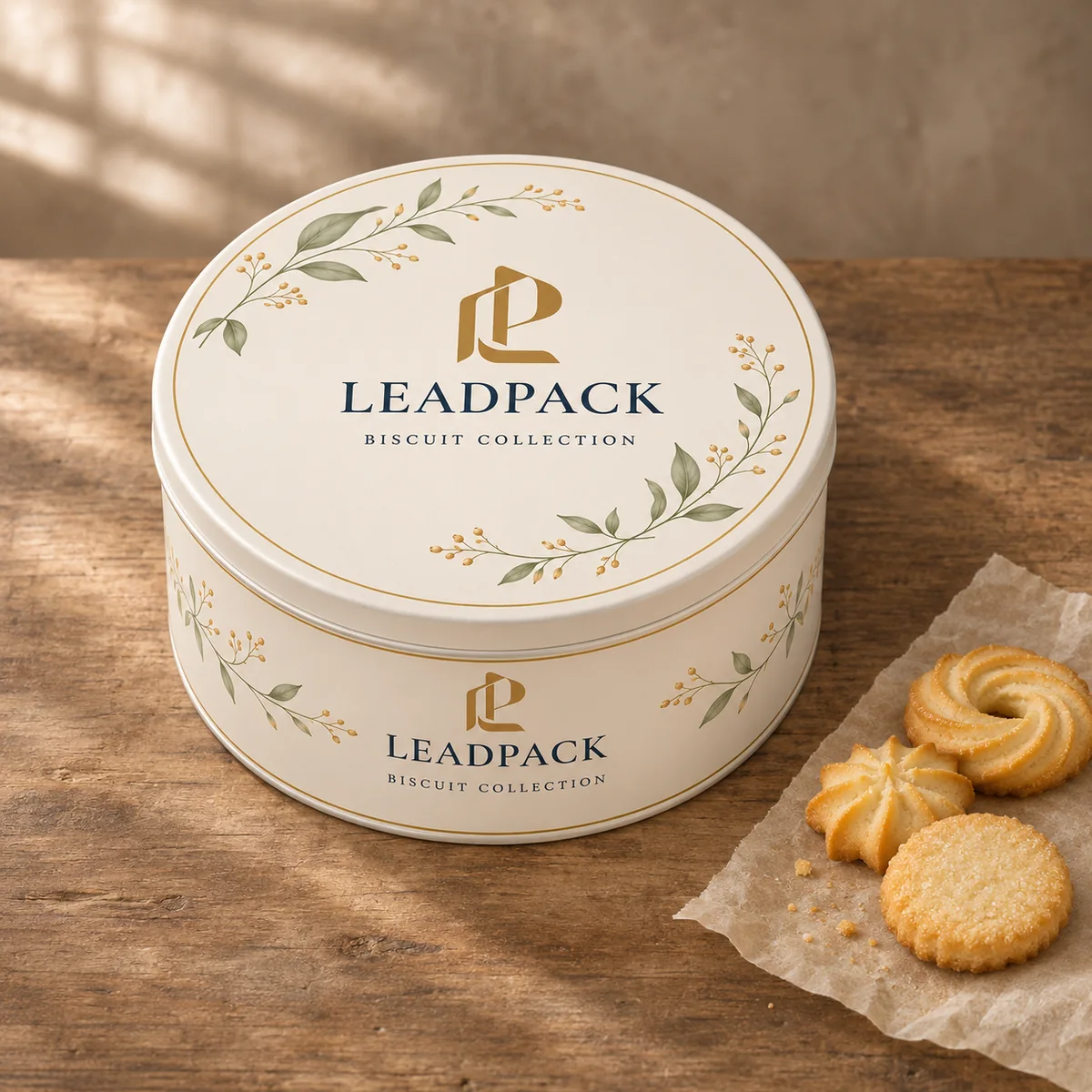
- Food and tea tins — rectangular and round stock cans handle biscuits, tea and confectionery with certified food-safe linings.
The gift-packaging segment in particular rewards speed: holidays arrive on a fixed date, so a 20-25 day stock-mould cycle is what makes a September custom window realistic rather than impossible.
How to Brief a Manufacturer for a Stock-Mould Run
- Pull the catalogue first. Ask the supplier for their existing-mould list and shortlist 2-3 shapes that fit your fill weight and shelf footprint.
- Define the finish stack. Specify lacquer, emboss depth (0.3-0.8 mm relief) and coating so the line has no ambiguity.
- Request a pre-production sample. Print and emboss only read correctly on a physical proof — approve before the full run.
- Confirm compliance docs. Request FDA/LFGB or GB 4806.10-2025 coating reports and, for EU-bound goods, the PPWR Declaration of Conformity.
- Lock the timeline. Use the customization process checklist to map proofing, production and freight so the launch date holds.
Launch a Custom Tin Without the Tooling Tax
Stock-mould sourcing is the most under-used lever in tin packaging: it delivers a custom-branded result at a 40% lower tooling cost and a 2-3 week shorter clock. Start from a proven shape, spend your budget on finish and print, and you get the premium shelf presence without the bespoke-mould risk. When you are ready to spec a run, request a quote with your target MOQ, shape preferences and launch date, and we will match you to the nearest existing mould.
Need Help Choosing the Right Tin?
Tell us what you plan to pack and share an article or model you found useful. We can help confirm size, closure and sample options.